COPPER GREEN PIGMENTS (ZANGĀR)
Introduction
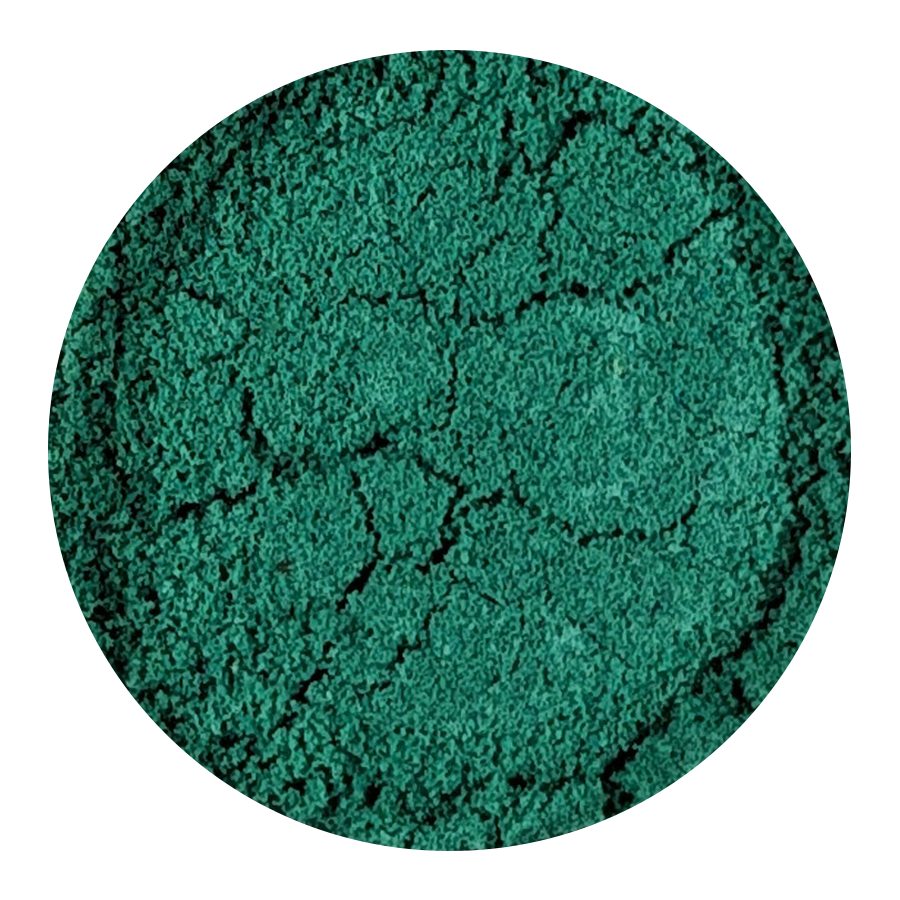
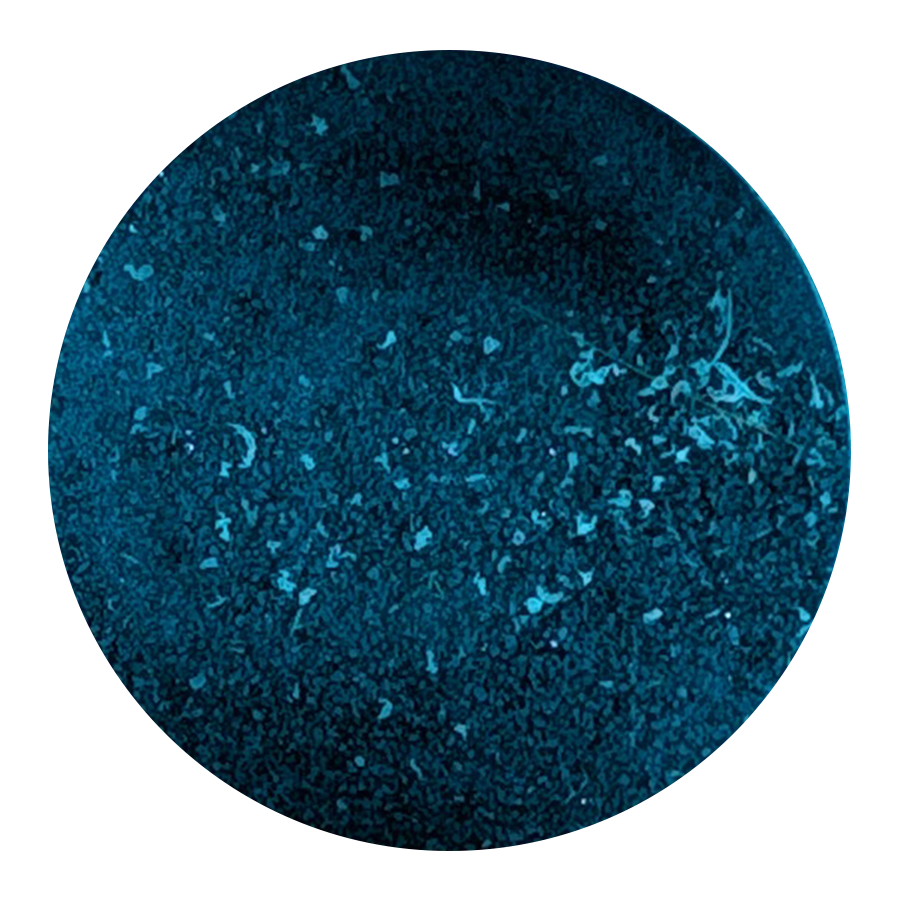
The Persian term zangār should not automatically be treated as equivalent to the European pigment name “verdigris.” In Persian recipes, zangār functions more broadly as a term for green or blue-green corrosion products obtained from copper or copper alloys under different conditions. Depending on the ingredients and production environment, the resulting material may include different copper compounds and mixtures rather than one chemically uniform substance.
This distinction is important for interpreting Persian technical literature. The historical authors were describing observable materials, colours, and working processes rather than modern chemical species. Consequently, the database retains the Persian term zangār when discussing Persian recipes and uses “verdigris” only where the context specifically concerns copper acetate or European terminology.
Among the various methods described in Persian historical treatises for producing copper green pigments (zangār), the use of vinegar and copper represents one of the earliest and most widespread techniques. These recipes appear in Persian and Arabic sources from approximately the tenth to the nineteenth centuries and share a common principle: the gradual corrosion of copper through prolonged exposure to vinegar, resulting in the formation of green copper compounds suitable for artistic applications.
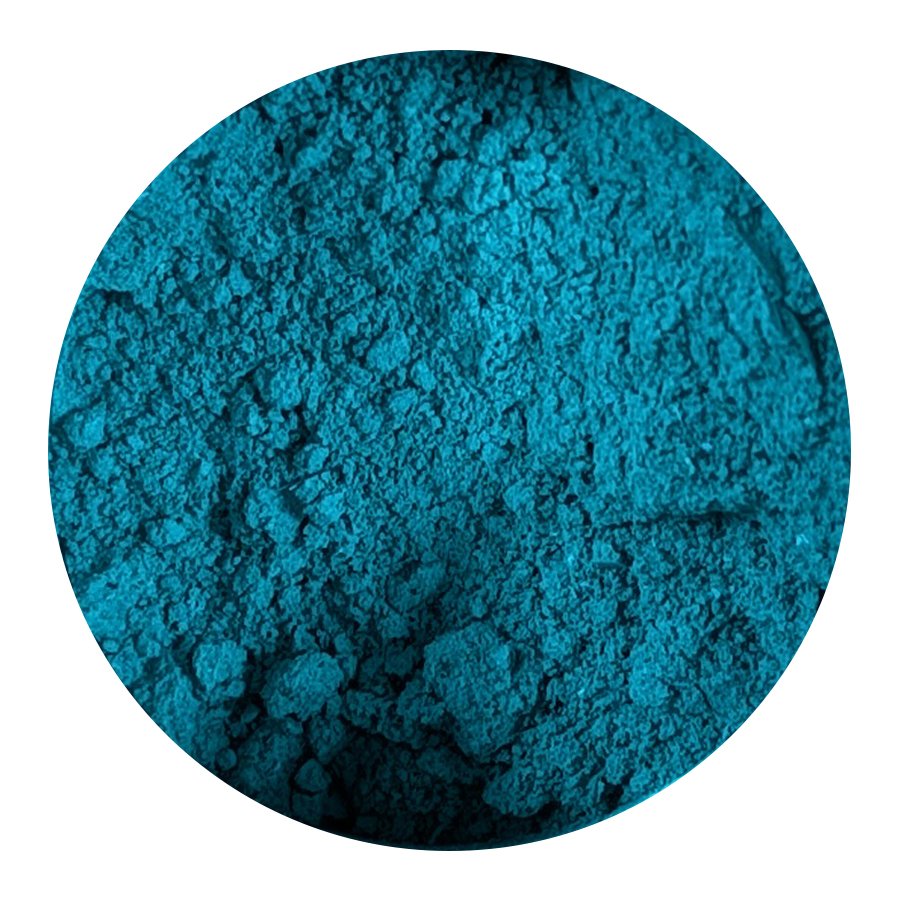
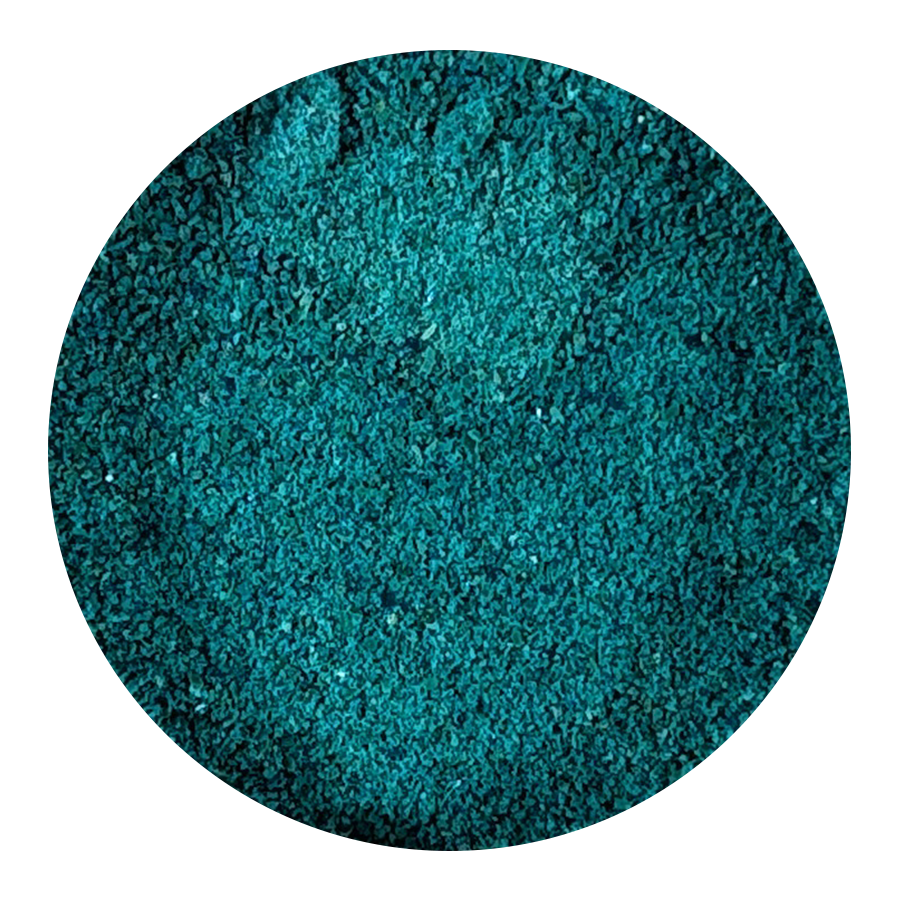
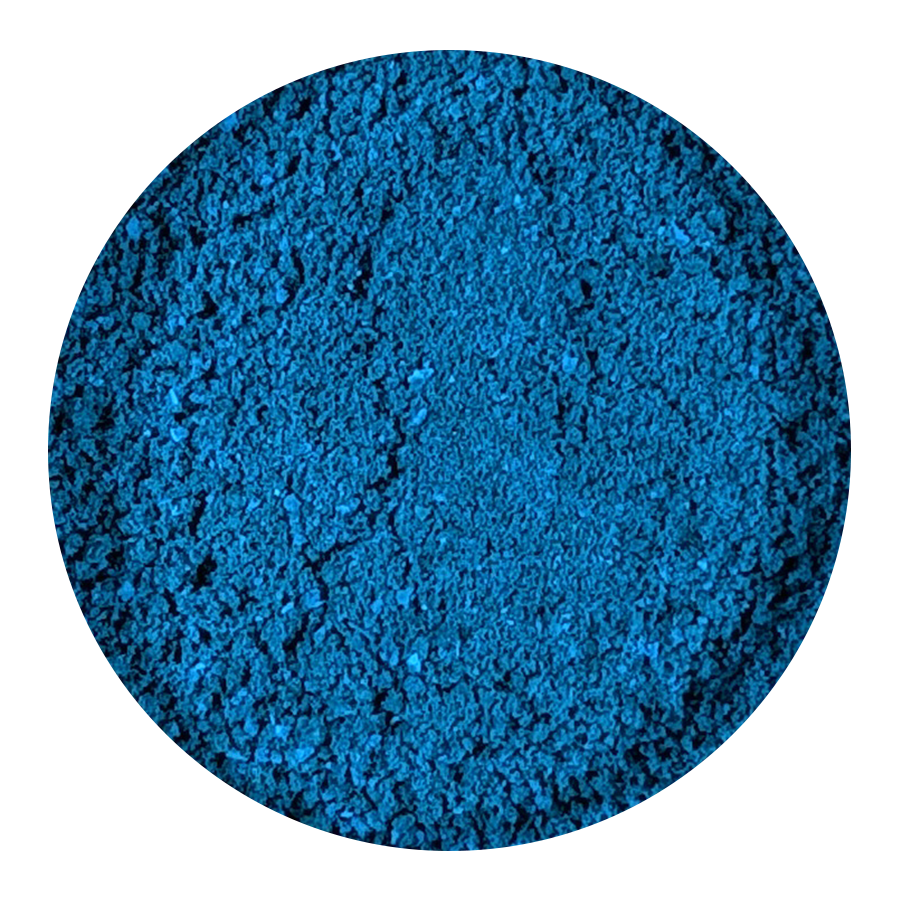
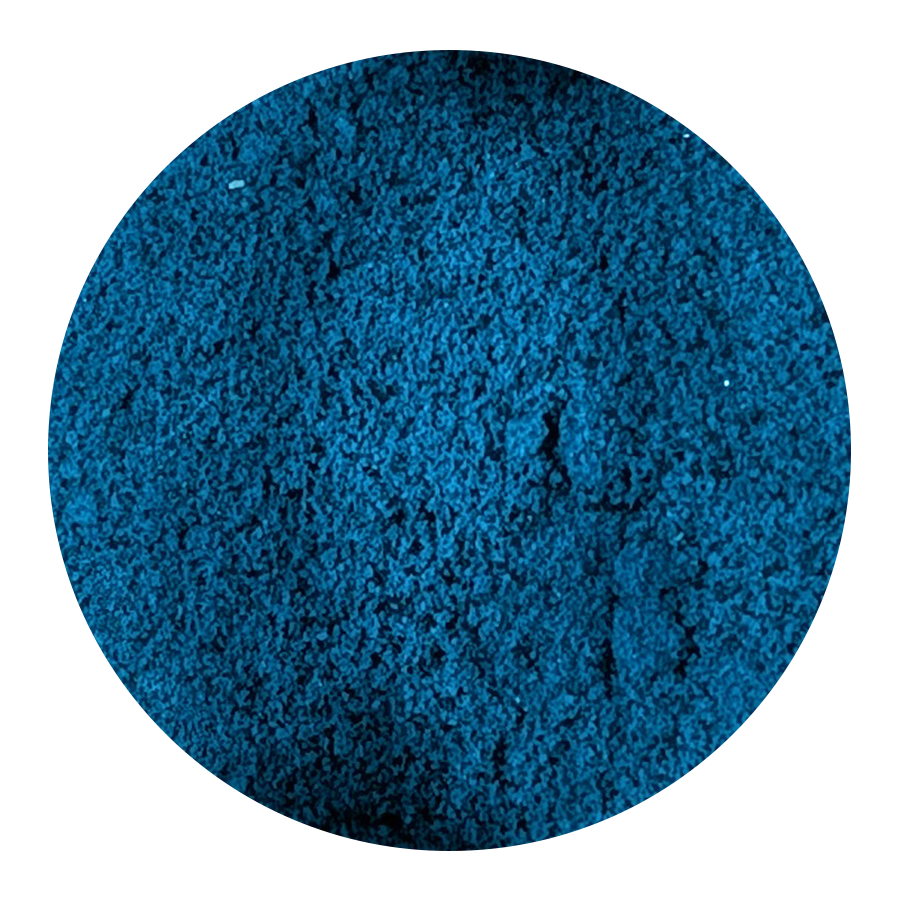
Although the recipes differ in their details, they generally involve copper plates, copper pieces, or copper filings placed in contact with vinegar and left under controlled environmental conditions. In some cases, the copper is suspended in wells, buried in moist soil, or exposed to vinegar vapours. The resulting green corrosion products are then collected and used as pigments for manuscript illumination, miniature painting, decorative painting, and writing.
The historical sources demonstrate that Persian craftsmen possessed a sophisticated understanding of copper corrosion processes and developed several variations of this technique to obtain pigments of different qualities and shades.
The sources broadly reveal two major historical approaches: corrosion of copper with vinegar or wine, with or without sal-ammoniac; and corrosion using sheep-milk yoghurt or other sheep-derived media. The six experimental categories used in this project further separate these historical approaches according to the form of the copper, the corrosive medium, and the mode of exposure.