COPPER FILINGS IN VINEGAR
Introduction
Direct contact between copper and vinegar is the most widely documented technological family in the Persian sources. The project reconstruction uses copper filings in vinegar. The documentary corpus also includes copper plates and pieces, different vessels, suspension in wells, vinegar dregs, heating, and prolonged humid exposure. These variants are grouped here because their principal corrosive medium is vinegar without sal-ammoniac.
Historical Recipes
Principal Recipe(s) Most Directly Related to the Reconstruction
Recipe 1: ʿAlī Hosseini
Source: ʿAlī Hosseini, Morakkab Sāzī va Jeld Sāzī, p. 566.
Original Persian recipe:
نوع دیگر چنان است که خرده مس و سرکه انگور کهنه برابر به یکدیگر بهم آمیخته در چاه آویزند تا چهل روز، چون بیرون آرند زنگاری باشد در نهایت خوبی.
English translation:
The other way is to mix copper pieces and strong old grape vinegar in equal proportions. Keep this in a vessel and hang it in a well for forty days. When you take it out, the copper will have changed to zangār of extremely good quality.
Recipe 2: Abū Rayḥān Bīrūnī
Source: Abū Rayḥān Bīrūnī, Al-Ṣaydaneh fi al-Ṭebb, p. 575.
Original Persian recipe:
ورقه های مسی را به مدت ده روز در ظرف سرکهٔ تند قرار میدهند و سپس بیرون می آورند. برخی ها آن را از برادهٔ مس به دست می آورند.
English translation:
They usually keep copper plates in strong vinegar for ten days and then take them out. Some people obtain zangār from copper filings.
The documentary sources demonstrate a broad direct-vinegar family rather than a single fixed recipe. Bīrūnī explicitly records both copper plates and copper filings in strong vinegar, while ʿAlī Hosseini specifies copper pieces and old grape vinegar in equal proportions and prolonged exposure. Other sources vary the copper form, vessel, humidity, duration, and degree of mechanical treatment. The project reconstruction therefore represents the shared technological principle of direct contact between copper filings and vinegar, not a literal replication of every historical variant.
Additional Historical Recipes and Documented Parallels
Recipe 3: Shahmardān b. Abī al-Khayr Rāzī
Source: Shahmardān b. Abī al-Khayr Rāzī, Nozhat-nāme-ye ʿAlāʾī, p. 276.
Original Persian recipe:
زنگار سبز که از مس خیزد آنست که صحیفه های مس بزنند و در میان ثفل سرکه نهند تا چون سبز گردد از روی مس زنگار بگیرند و دیگر باره باز جایگاه برند تا جمله زنگار شود.
English translation:
Green zangār is obtained from copper plates. To obtain zangār, they place the copper in dregs of vinegar till it becomes green. They place the copper repeatedly (in vinegar) till all the copper converts to green zangār.
Recipe 4: Ḥubaysh Tiflīsī
Source: Ḥubaysh Tiflīsī, Bayān al-Ṣenāʿat, pp. 304–305 – direct-vinegar part of the compound recipe.
Original Persian recipe:
مس تنک را بدرون سرکه بیانداید تا مس را بسوهان بساید وزان پس بروی سرکهٔ تیز بریزد و بجا گاهی نمناک بنهد یا سرکه در کاسهٔ مسین کند و کاسهٔ دیگر هم مسین بروی فرو نهد و رهاش کند تا زنگ بگیرد. پس از آن زنگ وی را به کارد بتراشد یا مس سوده با نوشادر بیامیزد و بجایگاه نمناک نهد و روزی چند رها کند تا زنگار گیرد.
English translation:
Copper filings are placed in vinegar till they are corroded. Then strong vinegar is added and the mixture is placed in a humid place. Or, pour some vinegar in a copper bowl and cover it with another copper bowl, leave it till the copper starts to patinate and then obtain verdigris by scraping the patina with a knife. Or, add sal-ammoniac to copper filings (and vinegar) and keep the mixture in a humid place for a few days till it all converts to zangār.
The first part of this multi-option recipe belongs to the direct-vinegar corpus; its bowl/vapour and sal-ammoniac alternatives are cross-linked to Sections 3.1 and 3.4.
Recipe 5: Muḥammad ibn Abī al-Barakāt Jowharī Neyshāpūrī
Source: Muḥammad ibn Abī al-Barakāt Jowharī Neyshāpūrī, Javāher-nāmeh-ye Neẓāmī, p. 320.
Original Persian recipe:
نحاس جوهری است معدنی از جملهٔ فلزات معروف و مشهور. و معادن نحاس بسیار جایاست، و نحاس دو نوع است: یک نوع صافی و روشن و به غایت سرخ است. و بهترین نحاس آن است که نیک سرخ و نرم بود. نوع دیگر است که لون آن سرخ سیاه رنگ است و آن نوع نفایهٔ نحاس است...........ودهنهٔ ترش در معادن مس تولد کند. و در اصل نحاس خضرت است مشکین در نفس او، و چون ترشیها بدان رسد زنگار ظاهر گردد. و اگر نحاس را با سرکه بیامیزند ازو زنجار حاصل شود، و آن رنگی است غریب خوب که نقاشان بر کاغذ و دیوار و چوب و غیر آن به کار دارند.
English translation:
Copper is a mineral, one of the famous metals. Copper mines are in a number of places and there are two types of copper: One is smooth and clear with a red colour and the best type is the one which is soft and has a nice red colour. The other type is low quality copper of blackish red colour [….] and natural mineral zangār is created in copper mines. Originally copper is green in its soul and when it is exposed to sour substances, green zangār will appear. If copper is mixed with vinegar, zangār is obtained which has a beautiful amazing colour and painters use it on paper, wood walls and other areas.
Recipe 6: Sīmī Neyshāpūrī
Source: Sīmī Neyshāpūrī, Resāleh-ye Joharīyeh, p. 285 – first method.
Original Persian recipe:
زنگار دو نوع باشد یکی آنک توفال مس را مقداری بستاند و در ظرفی کند و همان مقدار از سرکه کهنه به آب بیامیزد و در چاه آب آویزد و مدت چهل روز بگذارد. پس چون بیرون آرند زنگار شده باشد. نوع دوم را از چقر است گیرند که گوسفندی باشد هم بدین منوال پس از زنگار اولین قدری را به رکویی بپزند و در کاسه چینی به آب عنزروت صلایه کنند و به آب صمغ حل سازند و بدان هر چه خواهد بنویسد.
English translation:
There are two types of zangār. One is [obtained] from copper filings and vinegar which are put into a container and suspended in a well; after forty days it becomes zangār. The other kind [is obtained] by taking the water from sheep’s blood (chaqar) and proceeding in the same manner [as with vinegar]. The zangār is then passed through a piece of cloth, poured into a porcelain bowl and mixed with sarcolla juice (ʿanzarūt). It is then mixed with gum arabic and after that anything can be written with it.
The first method belongs here; the sheep-blood alternative is also cross-linked to Section 3.3.
Recipe 7: ʿAlī Seyrafī
Source: ʿAlī Seyrafī, Golzār-e Ṣafā, p. 252.
Original Persian recipe:
بستان پاره نو پاك نحاس وان قدر سر كه برو كن به قياس
ظرف كاشي پي او ميبايد تا كه از علت سالم آيد
در چَه آب بياويز فرو تا چهل روز مده زحمت او
بعد چهل روز ز چَه بيرون آر كه بُوَد بسته و باشد زنگار
English translation:
Take clean copper pieces
Add the same amount of vinegar
The vessel used should be made out of glazed tile (kāshī)
So as to keep it from any disease
Hang it in a well
And leave it for forty days
After forty days take it out from the well
It will become zangār.
Recipe 8: Ṣādeq Beyg Afshār
Source: Ṣādeq Beyg Afshār, Qānūn al-Ṣovar, p. 353.
Original Persian recipe:
بکن چاهی دو گز در جای نمناک صفایح کن تنک، لیک از مس پاک
بریز از سرکۀ ناصاف چندان که گردد سرکه ها در خاک پنهان
در آن جایی بنه یک مه کم و بیش بپوشان از کم و بیشش میندیش
پس از یک ماه بنگرکان تمامی شود زنگار خاطرخواه نامی
English translation:
Dig a hole, two gaz deep in a moist place [and hang] thin blades made of clean copper in it. Pour down unfiltered vinegar, which is absorbed by the soil and cover [the hole].
Leave it there for almost a month —don’t worry if it is a couple of days more or less [than that].
After a month, you will see that the entire [copper] has turned into an attractive zangār.
This method is also cross-linked to Section 3.1 because humidity and vinegar vapour are likely important to the reaction.
Additional documented parallels in the research chapter (full recipe text not reproduced there):
Khwājah Naṣīr al-Dīn Ṭūsī, Tansūkh-nāmeh-ye Īlkhānī, and Kashānī, ʿArāyes al-javāher va nafāyes al-aṭāyeb: repeat information derived largely from Jowharī Neyshāpūrī; the research chapter does not reproduce a separate full vinegar recipe for Kashānī.
Anonymous, Resāleh dar Bayān-e Kāġaẕ, Morakkāb va Ḥall-e Alvān: is identified as using a well-suspension method broadly comparable to Sīmī Neyshāpūrī; the chapter does not reproduce a separate complete text here.
Mīr ʿAlī Haravī; Solṭān Aḥmad Majnūn Rafiqī Haravī; Hossein ʿAqīlī Rostamdārī; ʿAlī Hosseini; Mīrzā Moḥammad Shīrāzī; and an anonymous author of Resāleh Ṭalā va Noqreh va Ḥall Kardan-e ānhā: are identified in the research as continuing closely related vinegar-based methods, sometimes with additional details. Where their complete wording is not reproduced in the research chapter, it is not reconstructed here.
Historical Note
These recipes belong to a broad direct-vinegar tradition. Although they differ in the form of copper, vessel arrangement, duration, and environmental conditions, they share the principle of bringing copper into direct contact with vinegar to produce zangār.
Comparative Analysis of the Historical Recipes
The historical sources demonstrate considerable variation within this direct-vinegar method. Copper appears as plates, pieces, or filings, while the recipes differ in vinegar strength, proportions, duration, vessel type, humidity, suspension, heating, and mechanical treatment. The reconstruction undertaken in this project isolates the shared technological principle of direct contact between copper filings and vinegar rather than reproducing any one historical recipe in every detail.
Experimental Reconstruction
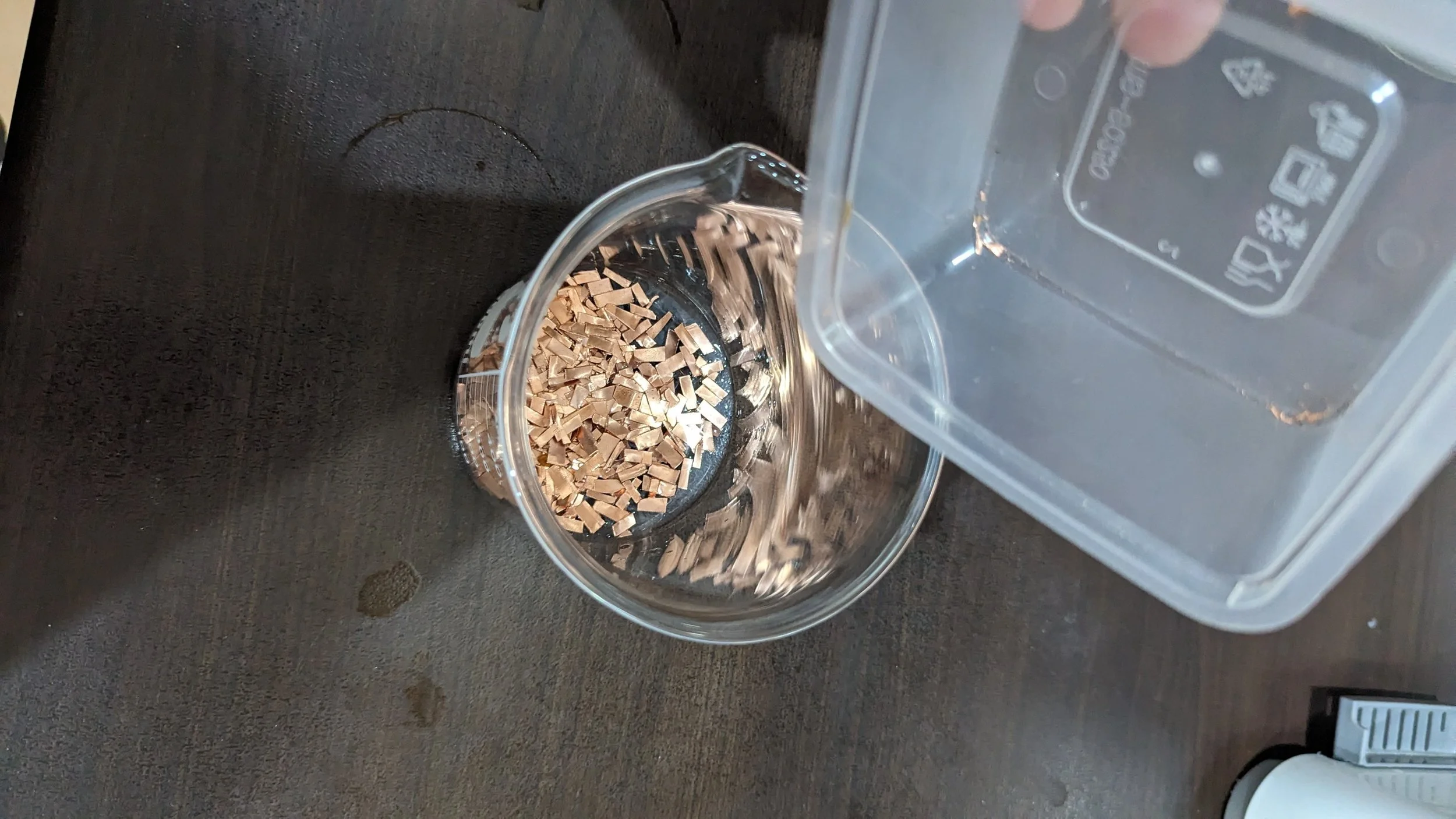
In this project, copper filings were placed directly in aged grape vinegar to investigate liquid-phase corrosion and to compare the resulting copper-green pigment with those produced through the other reconstructed methods.
Materials
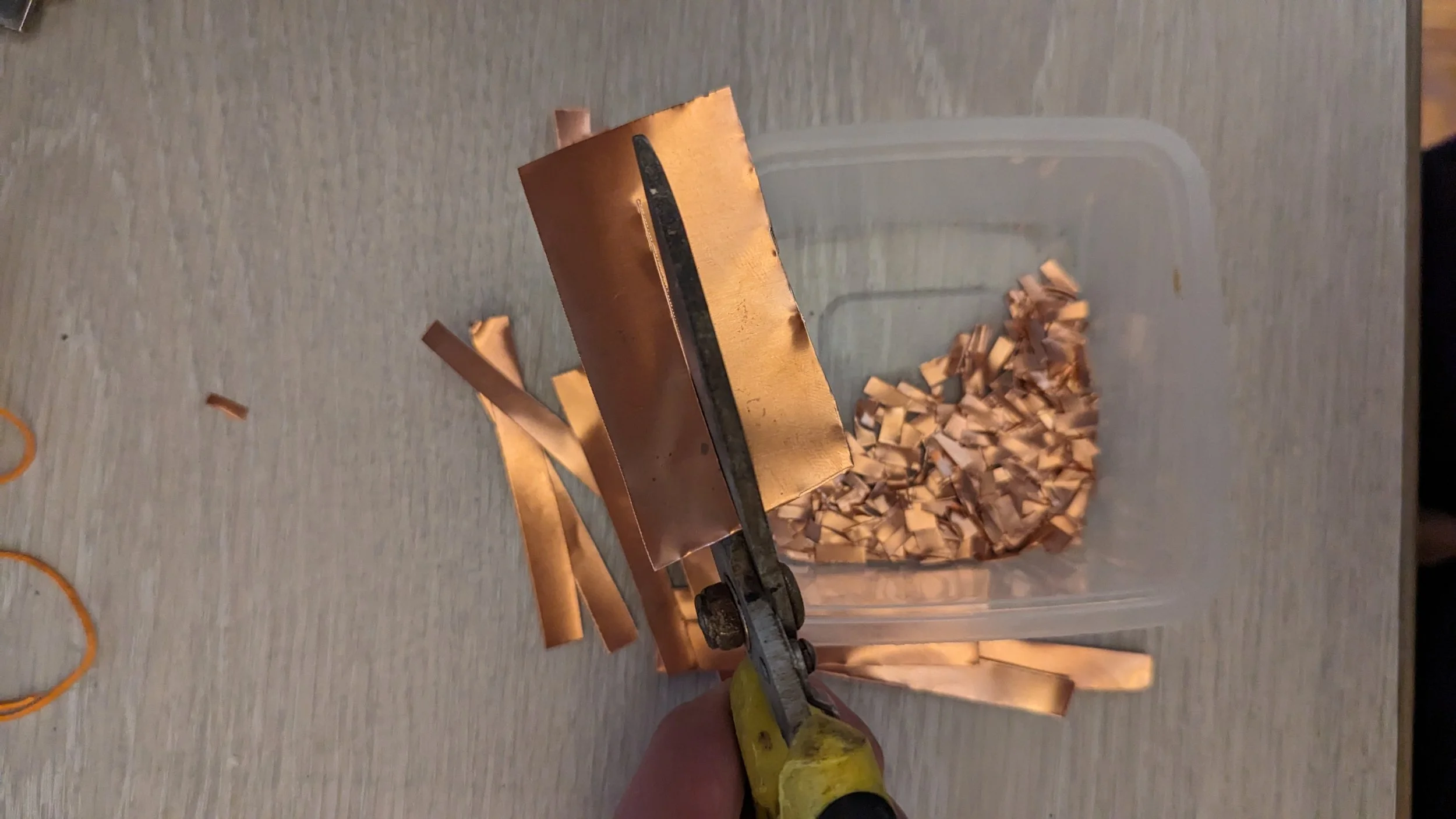
· Copper filings
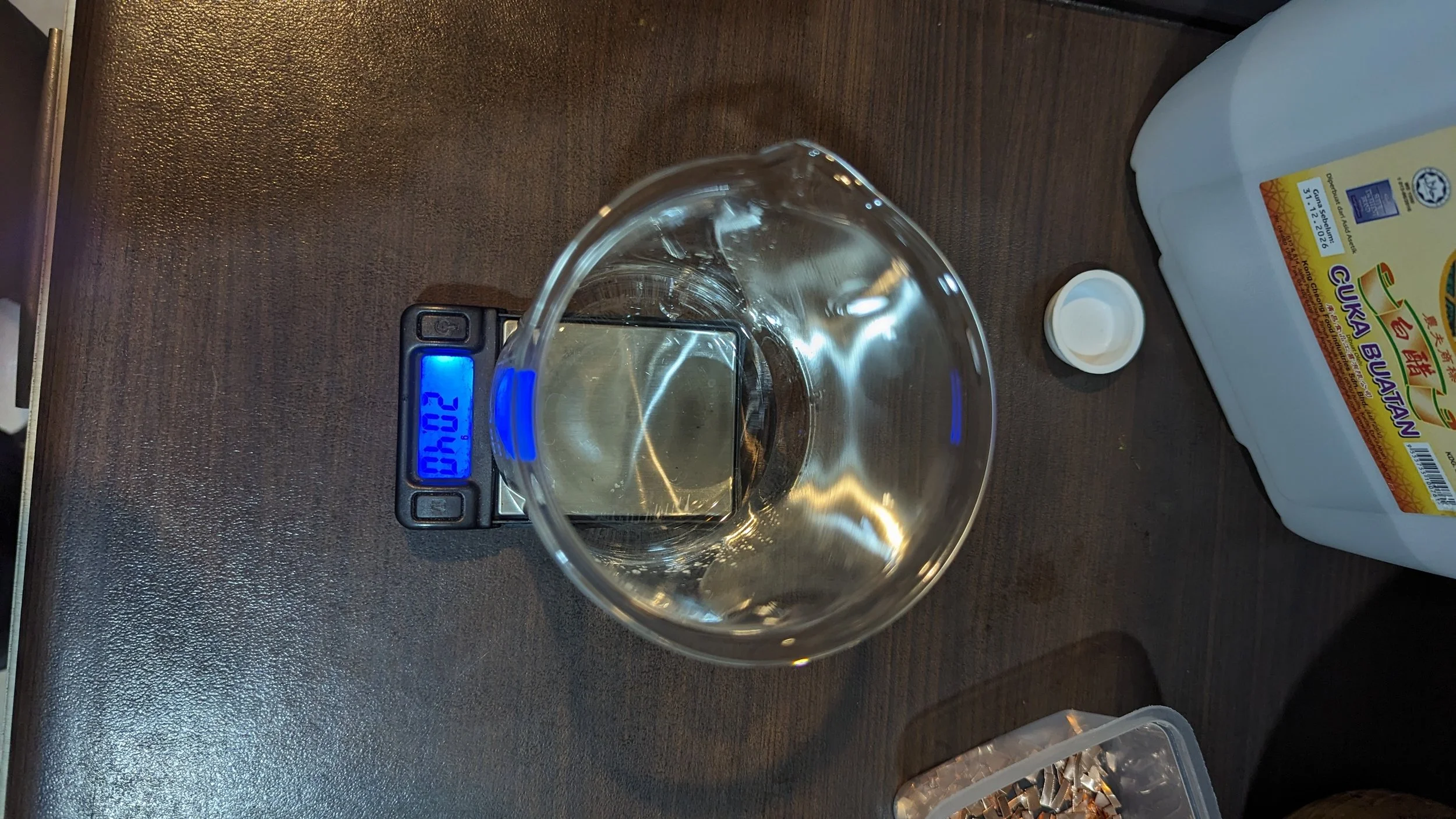
· Aged grape vinegar
· Glass vessel
Method
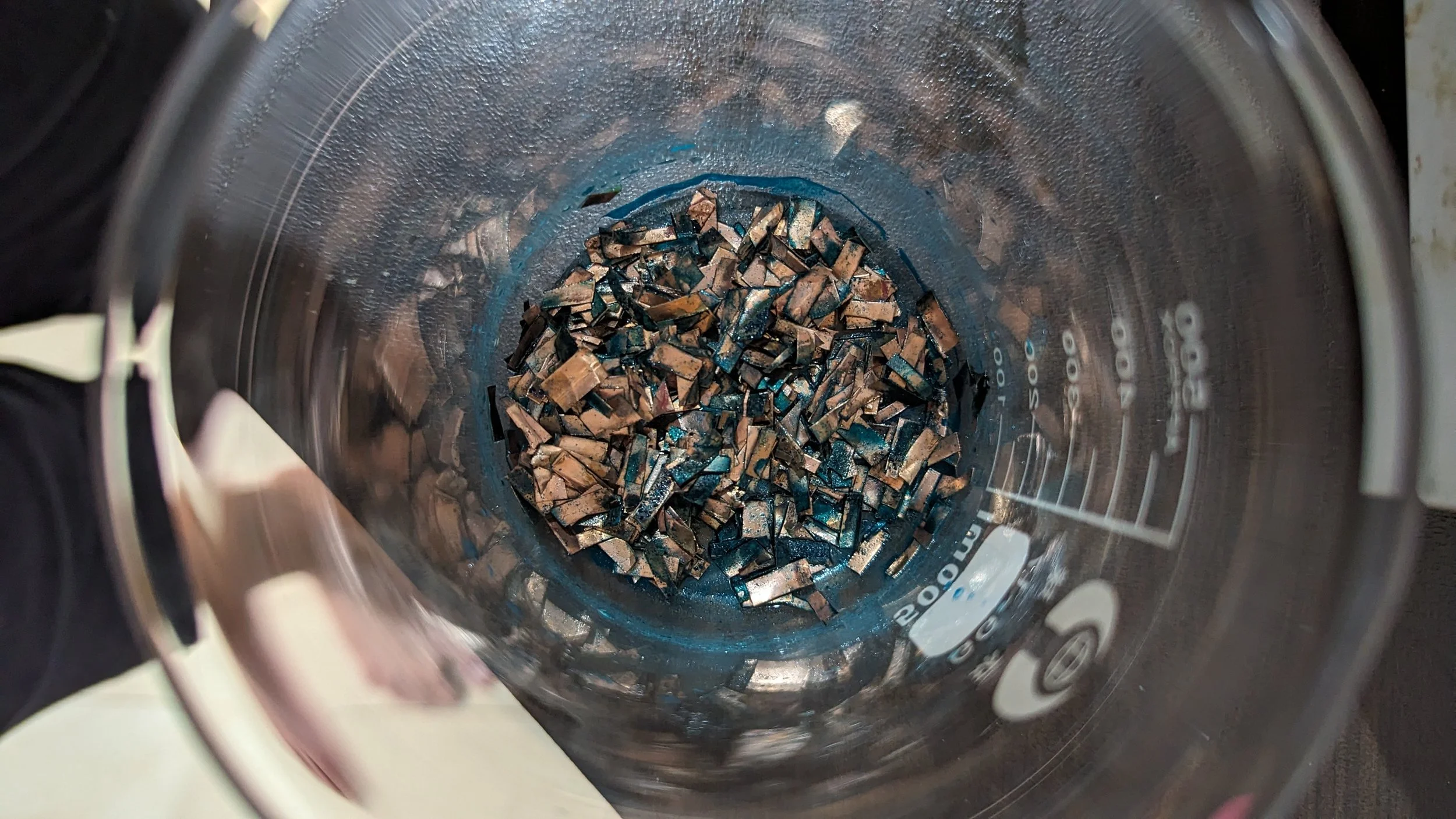
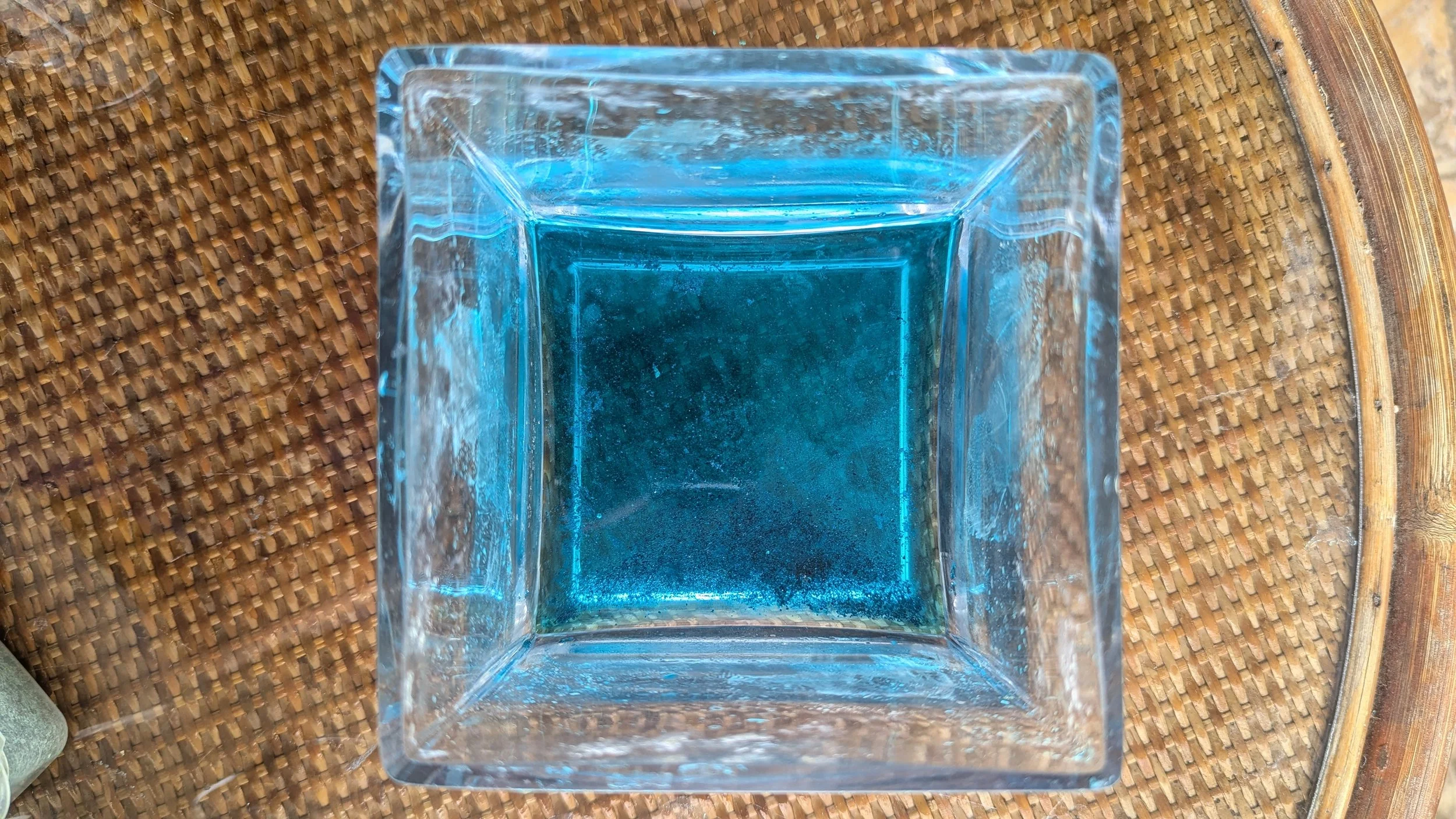
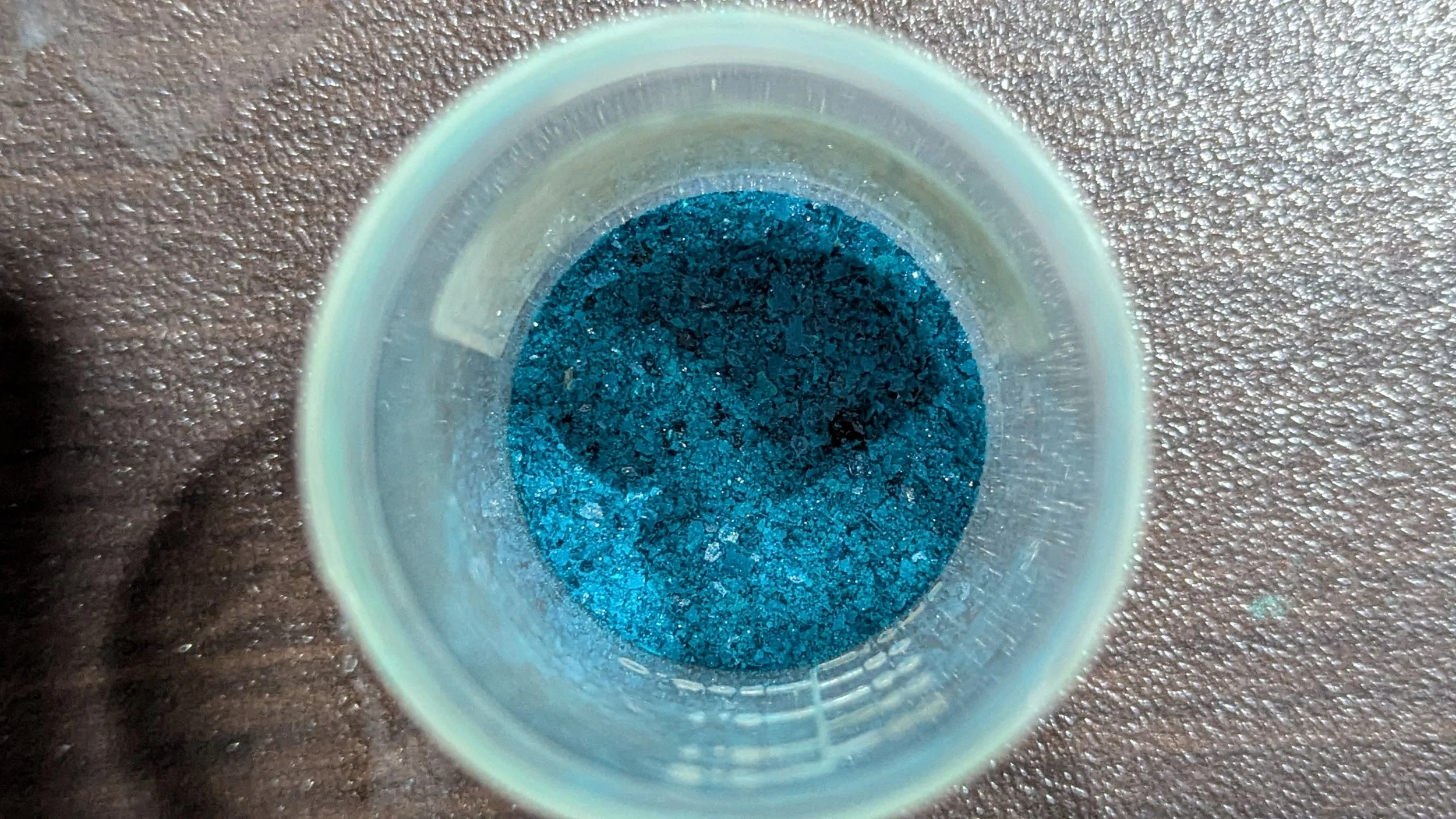
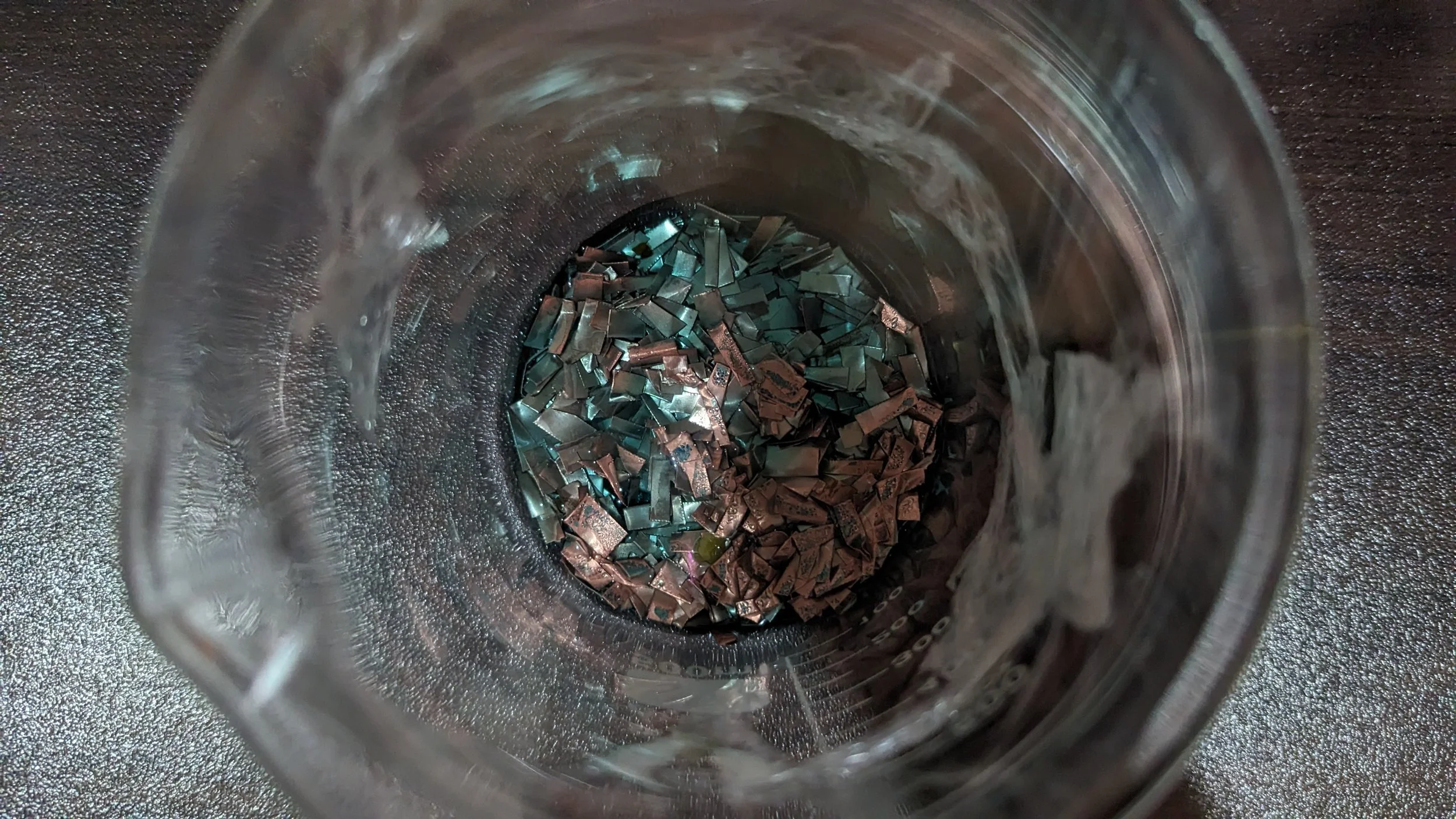
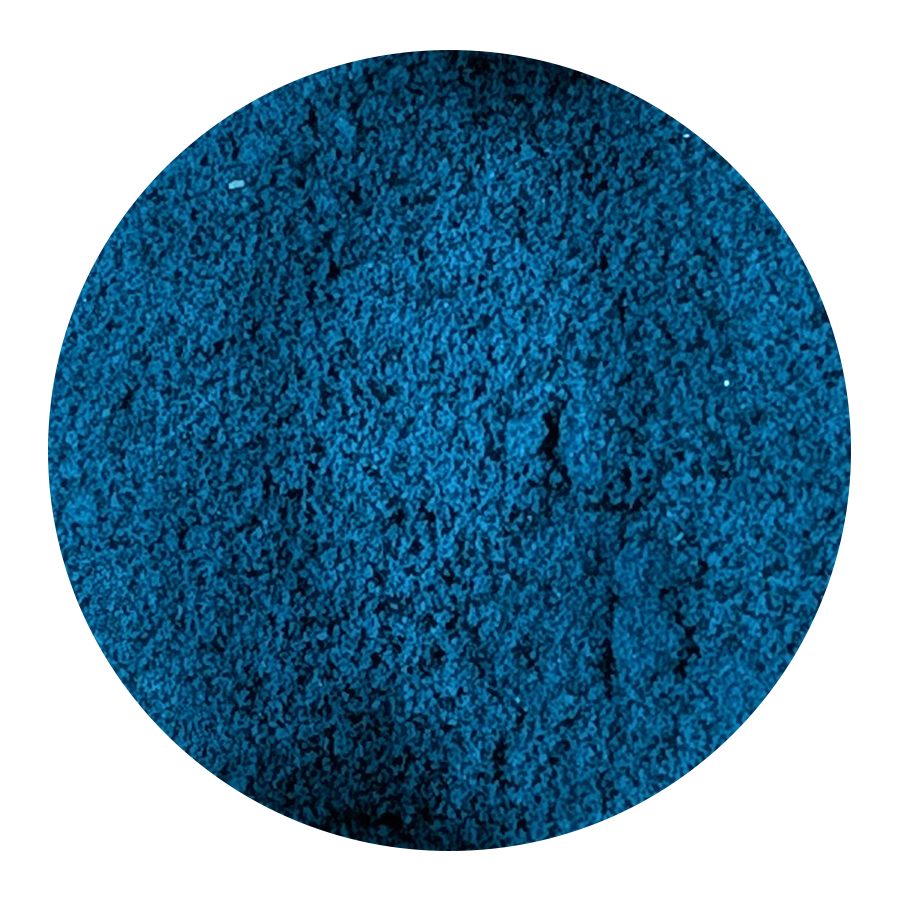
Copper filings were placed directly in aged grape vinegar and allowed to react under controlled conditions. As green corrosion products developed, the material was collected, dried, and ground to obtain a homogeneous pigment powder. The reconstruction represents the shared direct-vinegar principle documented in the historical sources rather than a literal replication of every historical variant.
Results and Observations
The reconstructed pigment produced a vivid blue-green corrosion product. Direct contact between copper filings and vinegar successfully generated a material suitable for collection, drying, and grinding. Comparison with the historical corpus shows that changes in copper form, vinegar strength, duration, humidity, and vessel arrangement could produce variations within this broad direct-vinegar method.
Significance
Direct vinegar-based recipes are among the oldest and most persistent methods for producing zangār in the Persian technical tradition. The reconstruction provides a practical reference for understanding this widely documented corrosion process and for comparing the appearance and working properties of copper-green pigments produced under different historical conditions.
References
Afshār, Sadeq Beyk. Qānūn al-Ṣovar (1010 AH/1601). In Ketāb-ārāyī dar Tamaddon-e Eslāmī, edited by N. Mayel Heravi, 87–101. Mashhad: Islamic Research Centre of Astan-e Quds-e Razavi, 1993.
Anonymous. Resāleh dar Bayān-e Kāġaẕ, Morakkāb va Ḥall-e Alvān (9th AH/15th century). In Ketāb-ārāyī dar Tamaddon-e Eslāmī, edited by N. Mayel Heravi, 57–67. Mashhad: Islamic Research Centre of Astan-e Quds-e Razavi, 1993.
Anonymous. Resāleh Ṭalā va Noqreh va Ḥall Kardan-e ānhā (attributed to the Safavid period). In Ketāb-ārāyī dar Tamaddon-e Eslāmī, edited by N. Mayel Heravi, 529–530. Mashhad: Islamic Research Centre of Astan-e Quds-e Razavi, 1993.
Bīrūnī, Abū Rayḥān. Al-Ṣaydaneh fi al-Ṭebb (362–440 AH/972–1048), translated by B. Mozaffarzadeh. Tehran: Farhangestane-e Zaban va Adabiyat-e Farsi, 1383 SH/2004.
Heravi, Mir Ali. Medād al-Ḫoṭūṭ (951 AH/1543). In Ketāb-ārāyī dar Tamaddon-e Eslāmī, edited by N. Mayel Heravi, 87–101. Mashhad: Islamic Research Centre of Astan-e Quds-e Razavi, 1993.
Hosseini, Ali. Morakkab Sāzī va Jeld Sāzī. In Ketāb-ārāyī dar Tamaddon-e Eslāmī, edited by N. Mayel Heravi, 553–568. Mashhad: Islamic Research Centre of Astan-e Quds-e Razavi, 1993.
Majnūn Rafiqī Haravī, Solṭān Aḥmad. Savād al-Ḫaṭṭ (930 AH/1523), MS 3522, Tehran University Central Library, dated 1056 AH/1646.
Neyshāpūrī, Muḥammad ibn Abī al-Barakāt Jowharī. Javāher-nāmeh-ye Neẓāmī (593 AH/1196), edited by I. Afshar and M. R. Daryagasht. Tehran: Miras-e Maktub Press, 2004.
Neyshāpūrī, Sīmī. Resāleh-ye Joharīyeh (837 AH/1433). In Resāleh dar Ḫošnevīsī va Honar-hāye Vābasteh, edited by H. R. Qelich-khani, 273–292. Tehran: Rowzaneh, 1994.
Seyrafī, ʿAlī. Golzār-e Ṣafā (950 AH/1543). In Ketāb-ārāyī dar Tamaddon-e Eslāmī, edited by N. Mayel Heravi, 239–256. Mashhad: Islamic Research Centre of Astan-e Quds-e Razavi, 1993.
Shahmardan b. Abi al-Kheir Razi. Nozhat-nāme-ye ʿAlāʾī, edited by Jahanpour Farhang. Tehran: Institute of Cultural Studies and Research, 1362 SH/1983.
Shirazi, Mirza Mohammad. Kašf al-Ṣanāʿah va Maḫzan al-Beżāʿah (printed Bombay, 1322 AH/1904). In Resāleh dar Ḫošnevīsī va Honar-hāye Vābasteh, edited by H. R. Qelich-khani, 294–303. Tehran: Rowzaneh, 1994.
Tiflīsī, Ḥubaysh. Bayān al-Ṣenāʿat (12th century). In Farhang-e Irān-Zamīn, edited by I. Afshar, vol. V, 298–457. Tehran: Anjoman-e Asar-e Melli-ye Iran Press, 1956.
Ṭūsī, Khwājah Naṣīr al-Dīn. Tansūkh-nāmeh-ye Īlkhānī (653–663 AH/1255–1265), edited by Modarres Razavi. Tehran: EBFI, 1348 SH/1969.