MILK-TREATED COPPER EXPOSED TO VINEGAR VAPOUR
Introduction
This category is based on a distinctive recipe of al-Rāzī in which a copper plate is first dipped in milk and then exposed above vinegar. Because the milk pre-treatment is a defining feature, this method is kept separate from the general vinegar-vapour category.
Historical Recipes
Principal Recipe(s) Most Directly Related to the Reconstruction
Recipe 1: Muḥammad ibn Zakariyyā al-Rāzī
Source: Muḥammad ibn Zakariyyā al-Rāzī, Ketāb al-Asrār, p. 98.
Original Persian recipe:
صفحهٔ مس را بگیر و در شیر شیرین فرو کن و آنرا روی پنجره ای از نی (حصیر) درون دیگی سفالی بگذار که در آن سرکهٔ شراب ریخته شده است تا اینکه زنگار گردد. هر بار که زنگار روی آنرا گرفت آنرا بتراش و این کار را چندان بکن تا تمام مس زنگار گردد.
English translation:
Take a copper plate that is dipped in a container of milk and place it on a framed cane mat over an earthen pot filled with vinegar till it converts to zangār. Every time that zangār appears on the surface scrape it off and continue this process till all of the copper plate is converted to zangār.
Al-Rāzī’s recipe is unusually specific and closely corresponds to the experimental sequence: copper is first treated with milk, then exposed above vinegar, and the developing zangār is repeatedly scraped from the surface. The milk pre-treatment distinguishes this method from other vinegar-vapour or humid-vinegar arrangements and justifies its treatment as a separate reconstruction category.
Historical Note
Al-Rāzī’s recipe provides an unusually close historical parallel to the experimental sequence: copper is first treated with milk, then exposed above vinegar, and the developing zangār is repeatedly scraped from the metal surface.
Comparative Analysis of the Historical Recipe
Unlike the plain vinegar-vapour methods, al-Rāzī’s procedure introduces milk as a deliberate pre-treatment before the copper is exposed above vinegar. This additional organic treatment constitutes the defining technological feature of the method and provides the basis for treating it as a separate reconstruction category.
Experimental Reconstruction
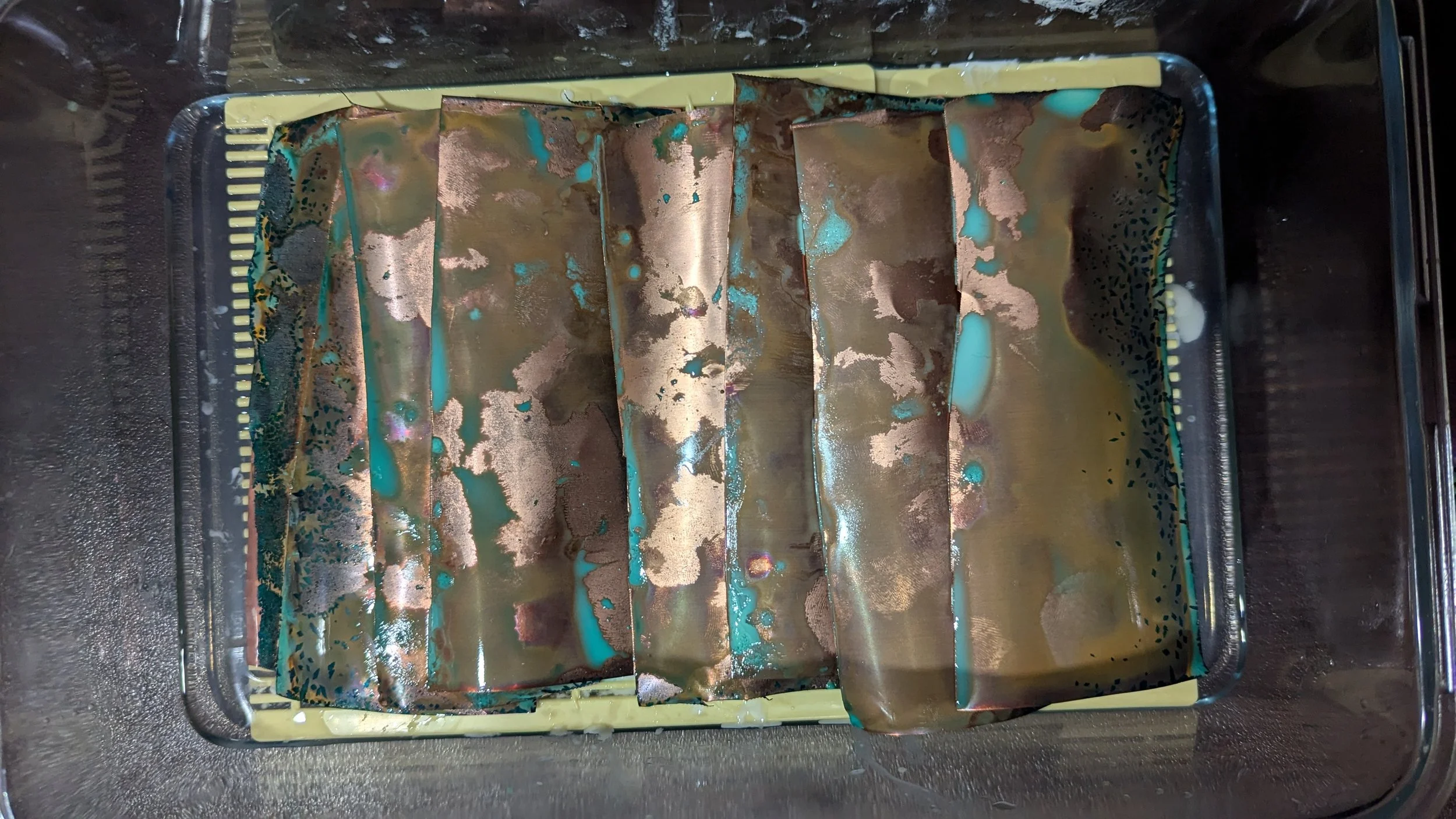
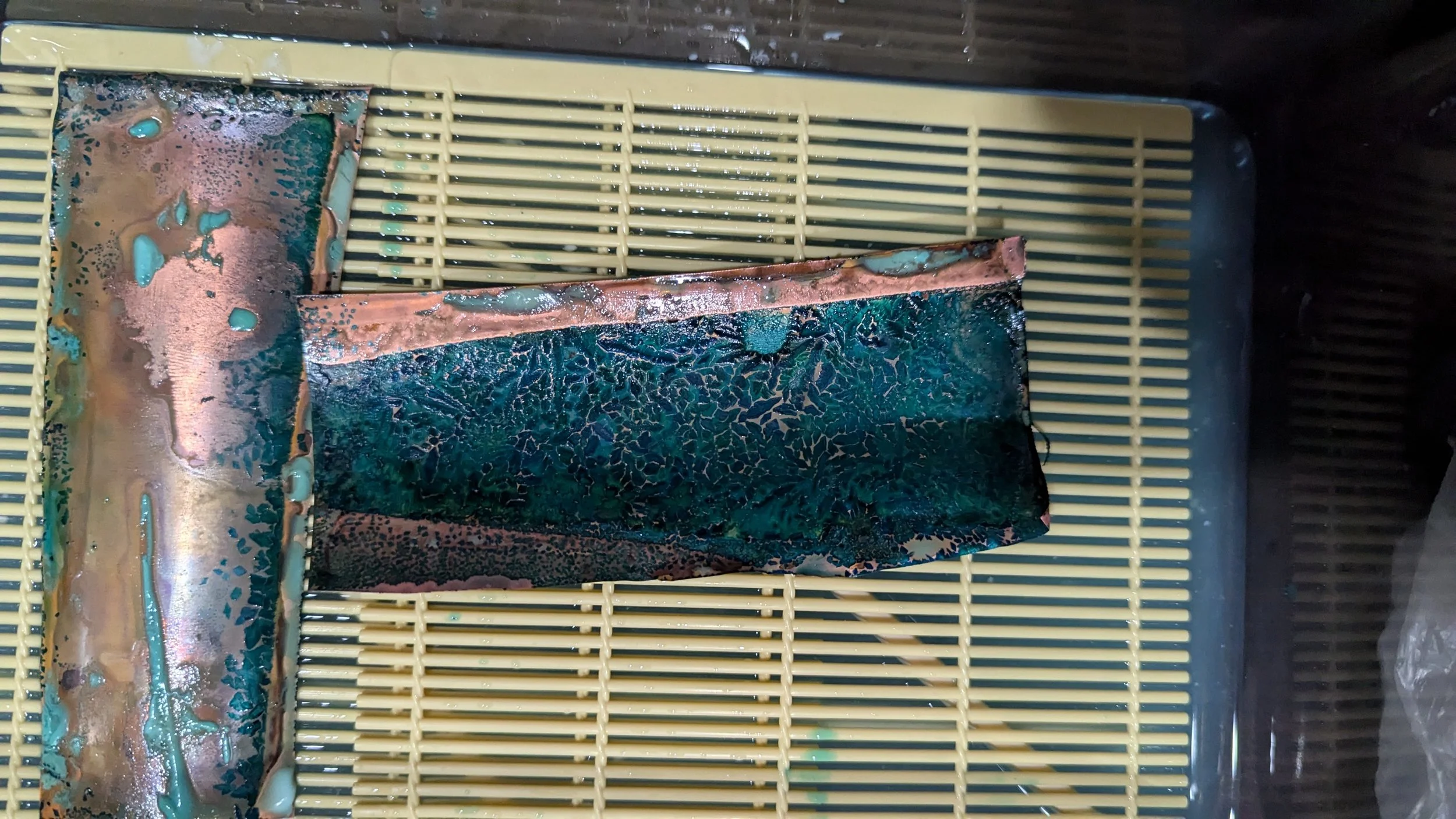
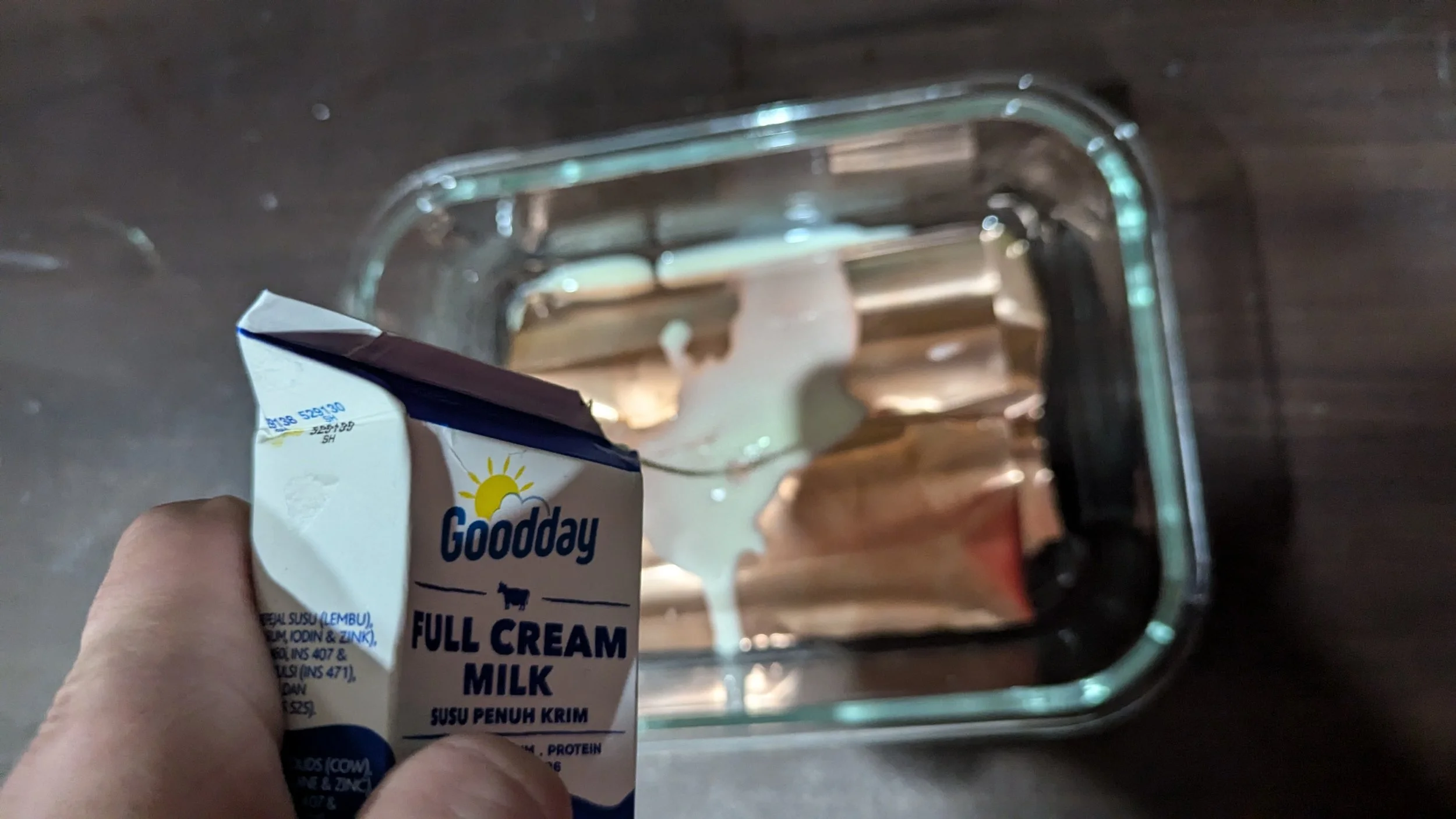
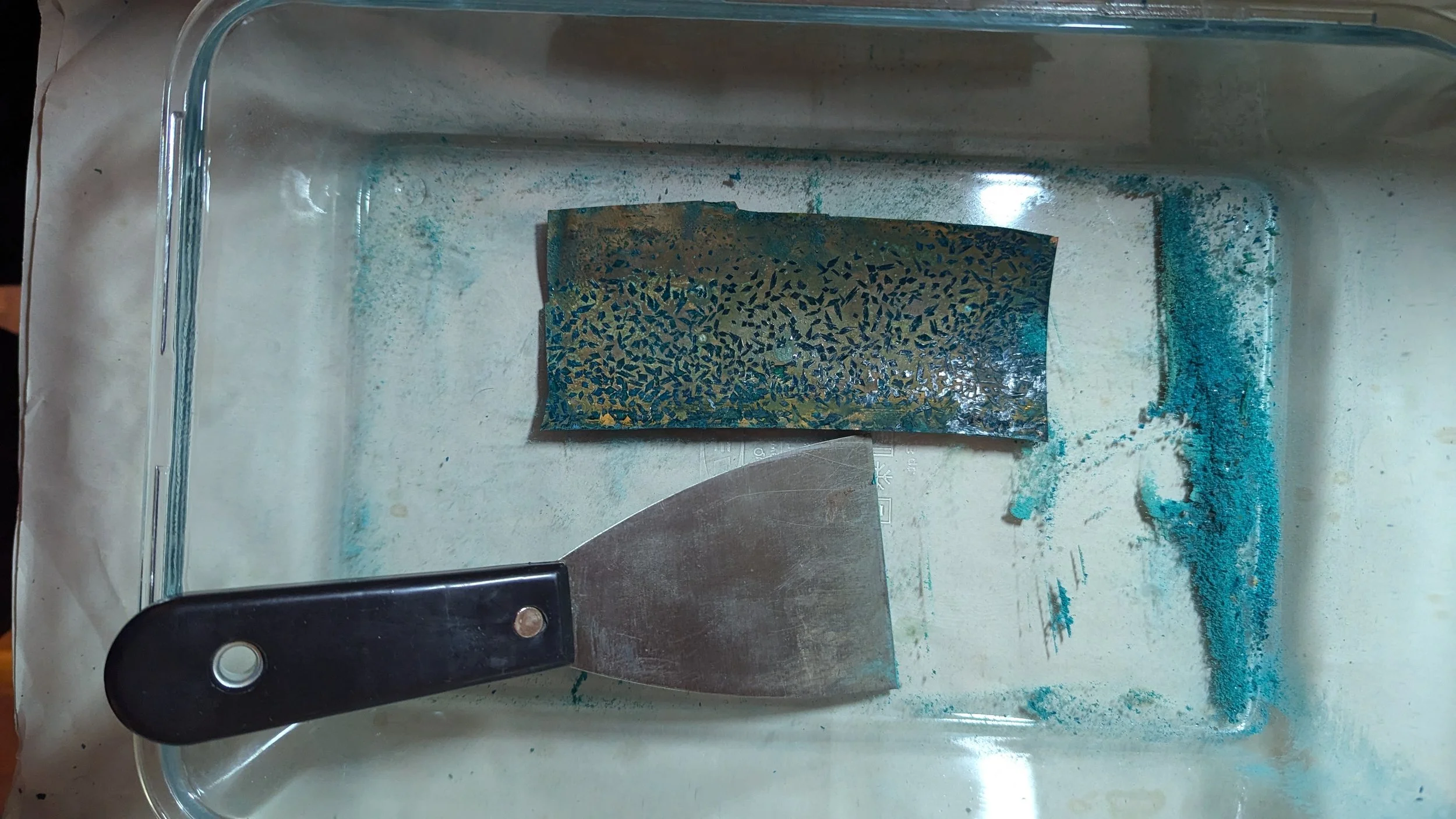
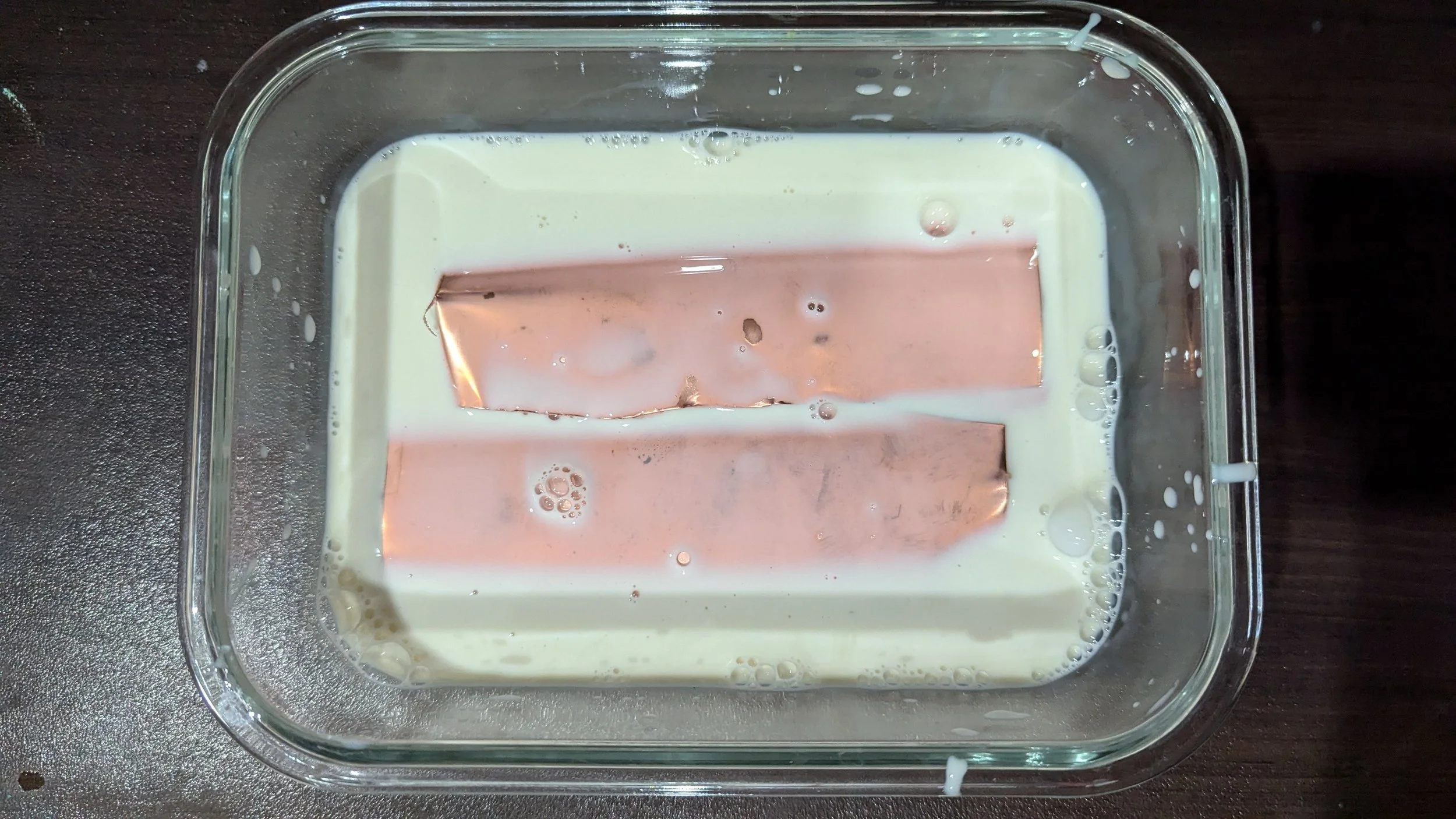
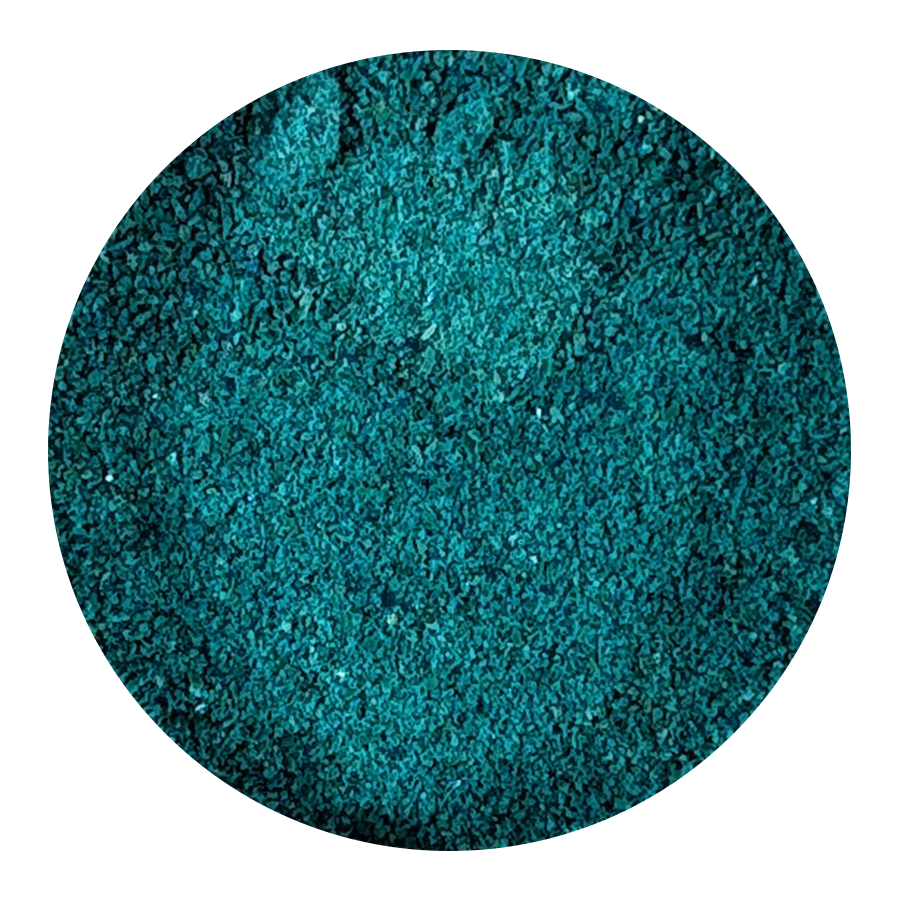
In this project, a copper sheet was treated with milk and subsequently exposed to vinegar vapour. As the green corrosion layer developed on the copper surface, it was collected for documentation and comparison with the untreated vinegar-vapour reconstruction.
Materials
· Copper sheet
· Milk
· Vinegar
· Reaction vessel
· Raised support or mesh above the vinegar
· Scraping tool
· Collection vessel
Method
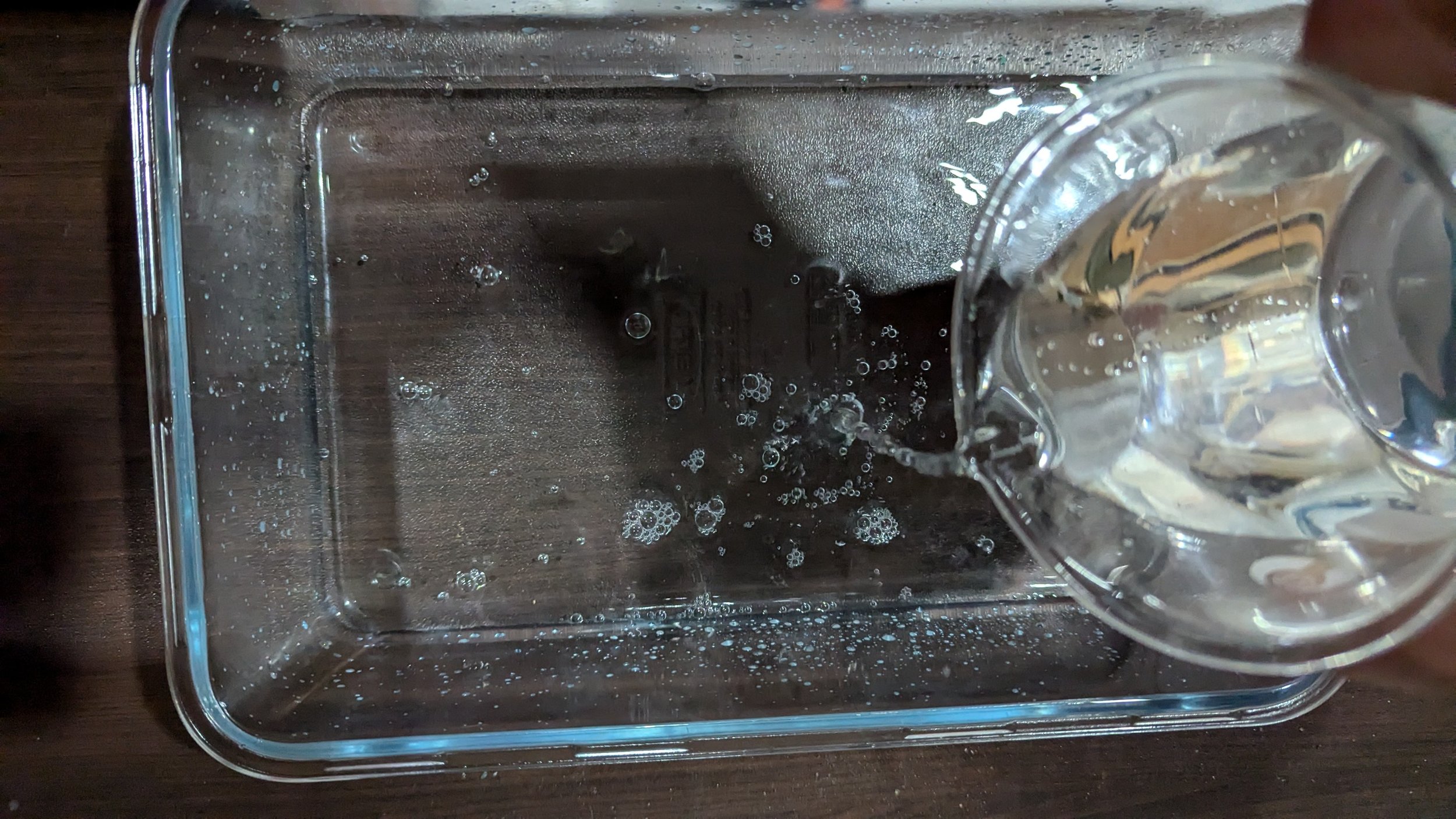
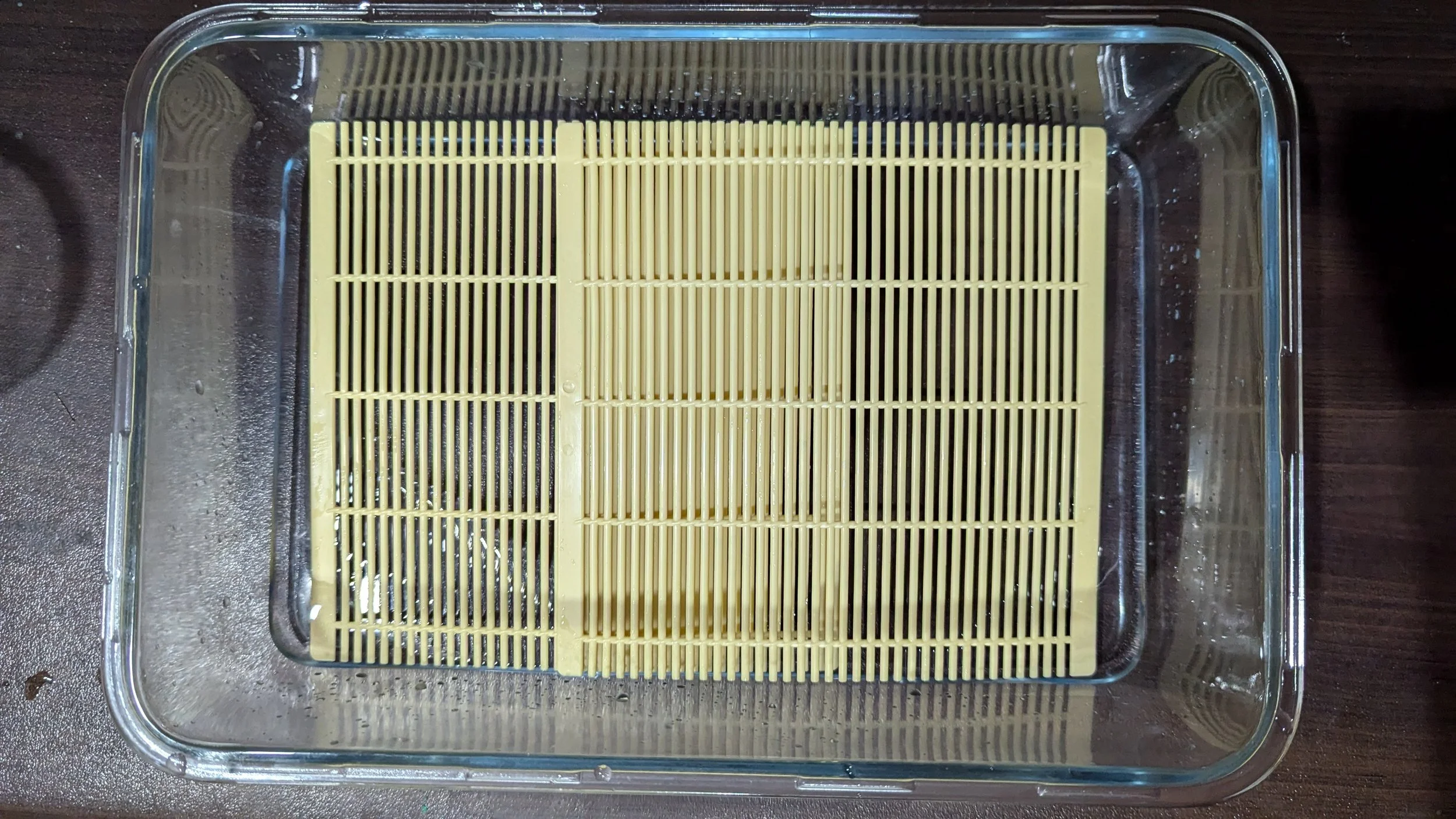
The copper sheet was first treated with milk and then positioned above vinegar so that it was exposed to the vinegar vapour. As green corrosion formed on the surface, it was scraped off and collected, following the sequence described by al-Rāzī. This reconstruction is kept separate from the plain vinegar-vapour method because of the milk pre-treatment.
Results and Observations
A green corrosion layer developed on the milk-treated copper during exposure to vinegar vapour and could be removed from the surface by scraping. Because this reconstruction repeats the vapour-corrosion principle used in V1 but adds the milk pre-treatment recorded by al-Rāzī, the two reconstructions provide a useful visual and material comparison of the effect of this additional historical processing step.
Significance
Al-Rāzī’s recipe is distinctive because it combines an organic pre-treatment with vinegar-vapour corrosion. Reconstructing the sequence preserves this historically specific technological choice and provides comparative material for investigating how pre-treatment may affect the formation and appearance of copper-green corrosion products.
References
Rāzī, Muḥammad ibn Zakariyyā. Ketāb al-Asrār (251–313 AH/865–925), edited and translated by H. A. Sheybani. Tehran: Tehran University Press, 1992.