REFINEMENT OF RECONSTRUCTED COPPER GREEN IN VINEGAR
Introduction
This category concerns secondary processing of an already prepared copper-green pigment rather than the initial corrosion of metallic copper. The project’s V6 experiment dissolved/refined the product of the vinegar-vapour reconstruction (V1) in vinegar. The historical corpus contains a particularly clear named example in Majmūʿah al-Ṣanāyeʿ and related paper-dye procedures that use vinegar to dissolve or suspend previously formed zangār.
Historical Recipes
Principal Recipe(s) Most Directly Related to the Reconstruction
Recipe 1: Anonymous
Source: Anonymous, Majmūʿah al-Ṣanāyeʿ, MS 3875, fol. 63r – zangār-e moṣaffā.
Original Persian recipe:
زنگار مصفّا : " در صنعت زنگار مصفّا که بلا مثال بود که بستانند زنگار خمصی جزوی و از سرکه سفید مقطر جزوی و بگذارند تا زنگار خمصی در سرکه مصعد حل شود و سرکه سبز گردد و پس آنرا صاف کنند و ثقل آنرا بیاندازند و آن زنگار مصفا در قرع کنند و بچکانند آنچه در ته قرع بماند زنگار مصفاست. یک درم از این زنگار بهتر از بیست درم زنگار دگر باشد و بسیار جاها کار آید بتخصیص در رنگ کردن فیروزه بلا نظیر است "
English translation:
For making zangār-e moṣaffā , which is unique, they take a small amount of zangār-e ḫamṣī and add some distilled white vinegar till the zangār-e ḫamṣī dissolves in the vinegar and the vinegar becomes green. Then they filter it and pour it in a flask to precipitate. What remains at the bottom of the flask is zangār-e moṣaffā. One dram of this zangār is better than twenty drams of other kinds of zangār and it can be used in many places. It is unique for its turquoise colouring.
This is the closest historical principle to the first pigment, but it is not an exact replication: the historical starting material is zangār-e ḫamṣī, whereas the project used the pigment produced in the first version.
Unlike the preceding categories, this method concerns secondary treatment of an already prepared green pigment. The closest historical parallel is zangār-e moṣaffā in Majmūʿah al-Ṣanāyeʿ, where zangār-e ḫamṣī is dissolved in distilled white vinegar, filtered, and further processed. The project experiment applies the same general principle of vinegar-based secondary refinement but begins with the product of the V1 reconstruction rather than historical ḫamṣī; it should therefore be described as a technological reconstruction rather than an exact replication.
Historical Note
The historical zangār-e moṣaffā recipe provides the closest technological principle for this reconstruction, but the two procedures do not begin with the same material. The historical recipe starts with zangār-e ḫamṣī, whereas the experimental reconstruction uses the copper-green pigment previously produced through vinegar-vapour exposure.
Comparative Analysis of the Historical Recipe
Unlike the preceding methods, which concern the initial production of a copper-green pigment, zangār-e moṣaffā represents the secondary processing of an already prepared zangār. The historical procedure dissolves zangār-e ḫamṣī in distilled white vinegar, followed by clarification, filtration, and recovery. The reconstruction undertaken in this project investigates this principle of vinegar-based secondary refinement while deliberately retaining a different experimental starting material.
Experimental Reconstruction
In this project, the copper-green pigment previously produced through vinegar-vapour exposure was subsequently treated with distilled white vinegar, clarified, filtered, recovered, dried, and ground. The experiment therefore reconstructs the historical principle of secondary refinement rather than reproducing the zangār-e moṣaffā recipe exactly.
Materials
· Previously reconstructed copper-green pigment from V1
· Distilled white vinegar
· Glass or porcelain vessel
· Filtration material
Method
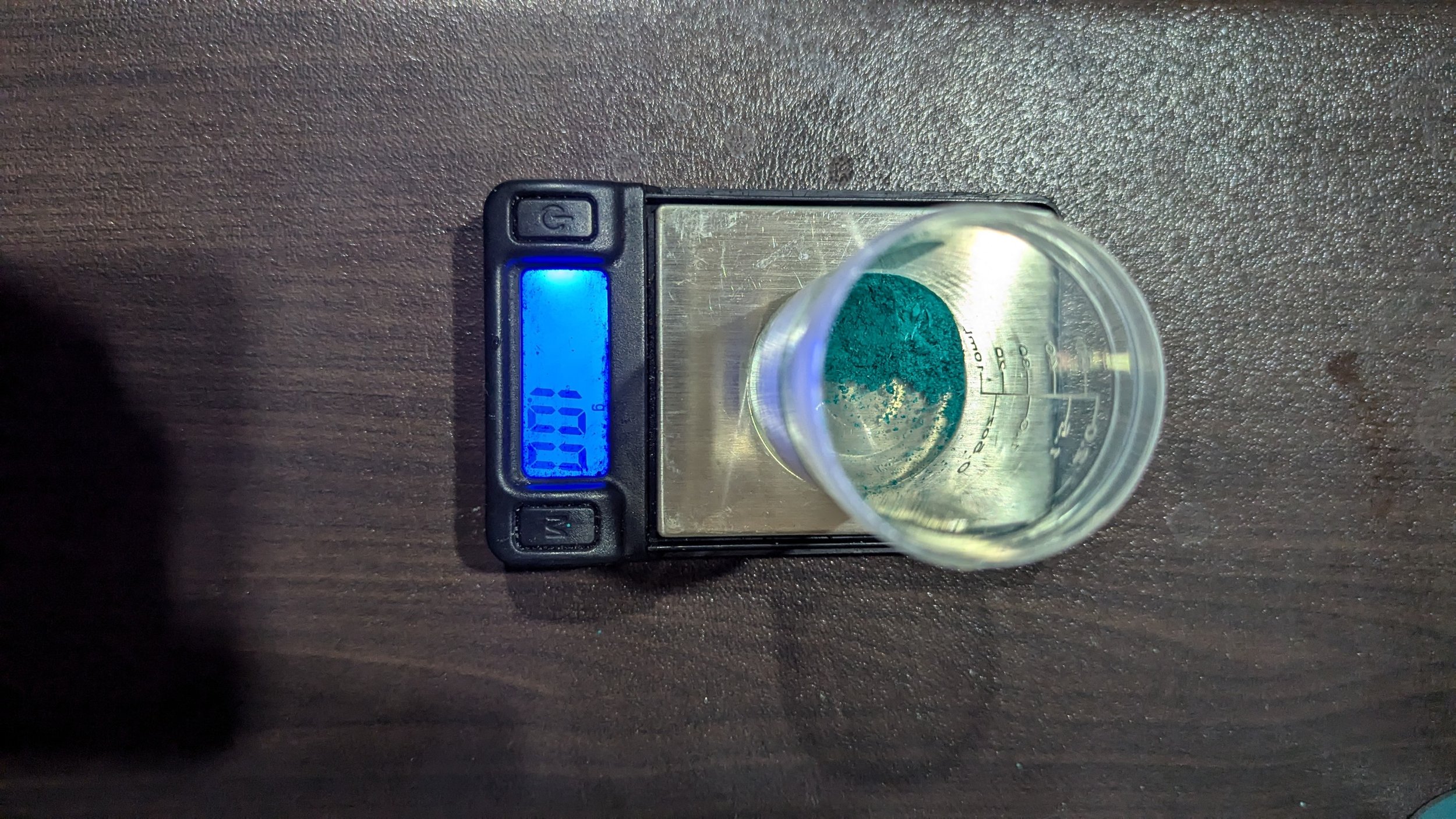
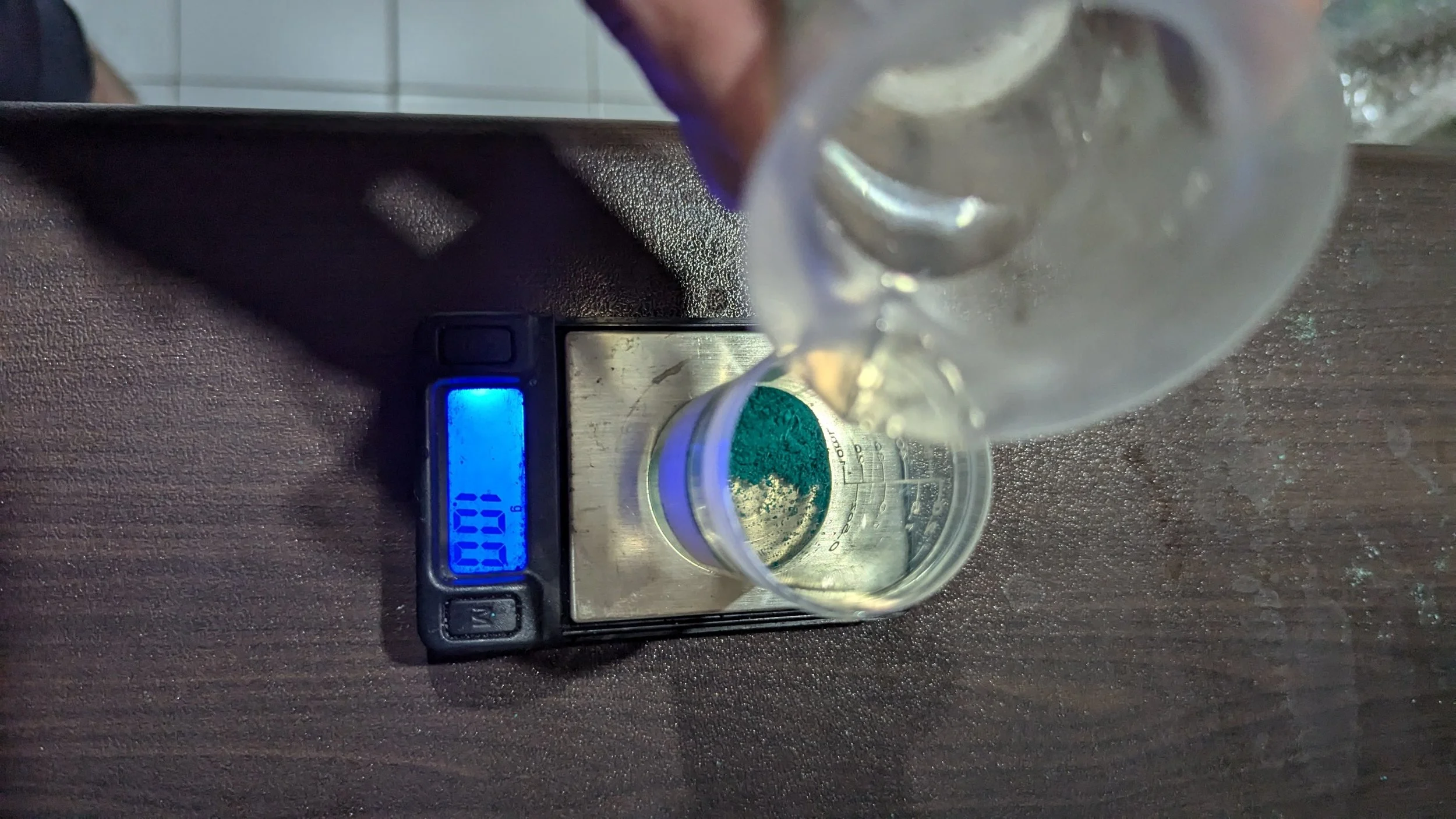
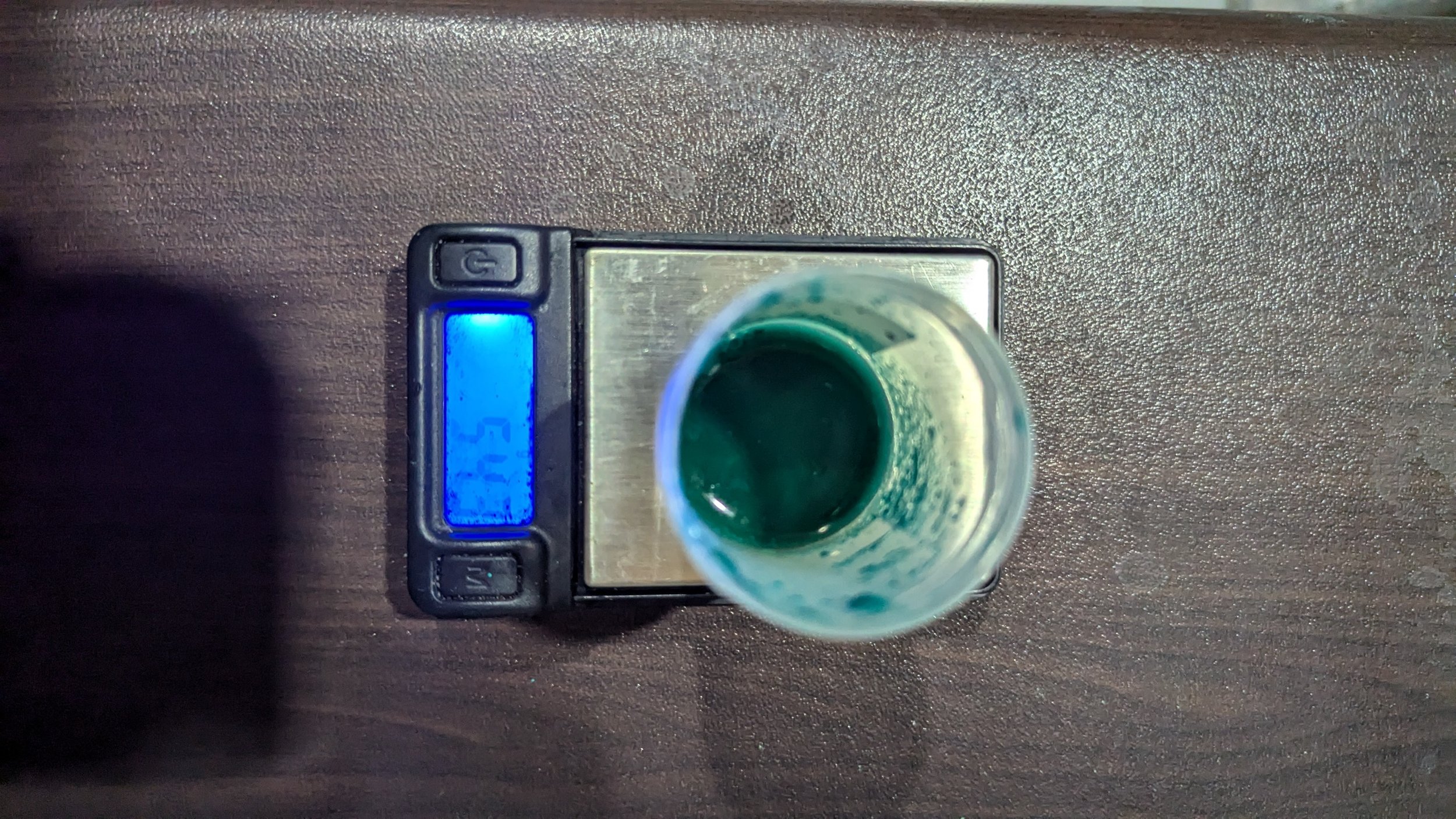
The copper-green material produced in the V1 vinegar-vapour reconstruction was introduced into distilled white vinegar and allowed to dissolve or disperse. The mixture was then clarified and filtered to separate the refined green fraction from coarse or insoluble material. The recovered material was dried and ground. This follows the historical principle of secondary refinement, while the historical Moṣaffā recipe specifically begins with zangār-e ḫamṣī rather than the V1 product.
Results and Observations
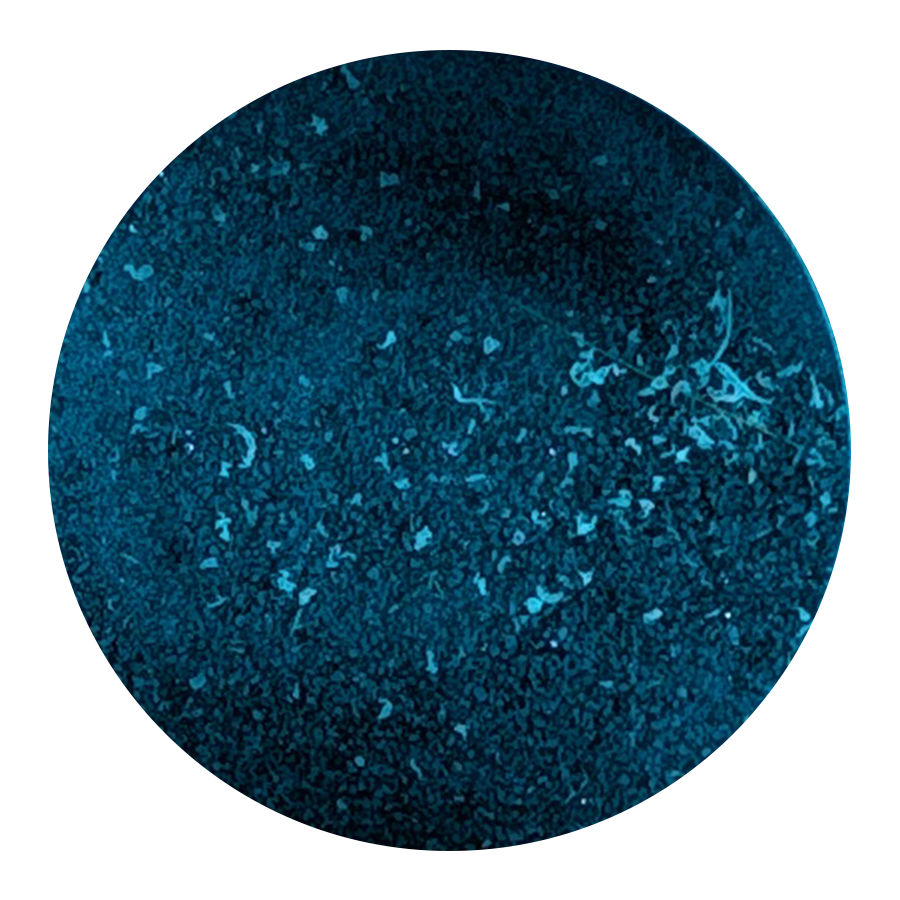
The secondary treatment produced a cleaner and more homogeneous green fraction than the unrefined V1 starting material, with coarse or insoluble material removed during clarification and filtration. The resulting material showed a more uniform visual appearance after recovery and grinding. These observations apply to the project’s V1-derived sample and should not be taken as evidence that the V1 material was chemically identical to the historical zangār-e ḫamṣī specified in the Moṣaffā recipe.
Significance
This reconstruction distinguishes primary pigment manufacture from secondary purification or refinement. The historical Moṣaffā recipe demonstrates that an already prepared zangār could be further processed with distilled vinegar, filtered, and recovered. Reconstructing this principle provides useful comparative material for examining how secondary processing may alter the visual and working properties of a copper-green pigment.
References
Anonymous. Majmūʿah al-Ṣanāyeʿ (1005 AH/1597), Central Library of Tehran University, MS 3875; partly edited by N. Mayel Heravi as “Haliyat-al Ketab,” in Ketāb-ārāyī dar Tamaddon-e Eslāmī, 499–504. Mashhad: Islamic Research Centre of Astan-e Quds-e Razavi, 1993.
Navayie, Abbas Ali. Majmūʿah al-Ṣanāyeʿ (1253 AH/1837), Islamic Consultative Assembly Library, Museum and Documentation Centre, MS 10-4077.