COPPER FILINGS WITH SAL-AMMONIAC AND VINEGAR
Introduction
Sal-ammoniac (nūshādar) modifies the vinegar-based corrosion process and is repeatedly documented in Persian technical literature. The project reconstruction uses copper filings, sal-ammoniac, and vinegar. Direct matches are separated below from named Majmūʿah al-Ṣanāyeʿ variants that use sal-ammoniac with vinegar or another acidic medium but introduce additional variables.
Historical Recipes
Principal Recipe(s) Most Directly Related to the Reconstruction
Recipe 1: Muḥammad ibn Zakariyyā al-Rāzī
Source: Muḥammad ibn Zakariyyā al-Rāzī, Ketāb al-Asrār, p. 98.
Original Persian recipe:
سونش مس را بگیر و برای هر رطل یک اوقیه نشادر در آن بریز و روی آنرا با سرکهٔ شراب بپوشان و و هر چند روز یک بار بهم بزن تا زنگار شود، و هر وقت که خشک شد دوباره سرکه رویش بریز تا همهٔ آن زنگار سبز شود.
English translation:
Take copper filings and for each raṭl (of copper) add one ūqīye of sal-ammoniac. Cover this with vinegar and stir it once every few days till (the copper) converts to zangār. Whenever it becomes dry, add vinegar till all (the copper) converts to zangār.
Recipe 2: Ḥubaysh Tiflīsī
Source: Ḥubaysh Tiflīsī, Bayān al-Ṣenāʿat, pp. 304–305 – sal-ammoniac alternative.
Original Persian recipe:
مس تنک را بدرون سرکه بیانداید تا مس را بسوهان بساید وزان پس بروی سرکهٔ تیز بریزد و بجا گاهی نمناک بنهد یا سرکه در کاسهٔ مسین کند و کاسهٔ دیگر هم مسین بروی فرو نهد و رهاش کند تا زنگ بگیرد. پس از آن زنگ وی را به کارد بتراشد یا مس سوده با نوشادر بیامیزد و بجایگاه نمناک نهد و روزی چند رها کند تا زنگار گیرد.
English translation:
Copper filings are placed in vinegar till they are corroded. Then strong vinegar is added and the mixture is placed in a humid place. Or, pour some vinegar in a copper bowl and cover it with another copper bowl, leave it till the copper starts to patinate and then obtain verdigris by scraping the patina with a knife. Or, add sal-ammoniac to copper filings (and vinegar) and keep the mixture in a humid place for a few days till it all converts to zangār.
Recipe 3: Solṭān Aḥmad Majnūn Rafiqī Haravī
Source: Solṭān Aḥmad Majnūn Rafiqī Haravī, Savād al-Ḫaṭṭ, p. 194.
Original Persian recipe:
یک رطل نوشادر و نیم رطل خرده مس در کاسه کن، و آب سرکه انگوری در وی چکان، و چوبی که سر آن چون سم شتر بوده باشد در آن کاسه صلایه می کن تا آنگاه که زنگار گردد.
English translation:
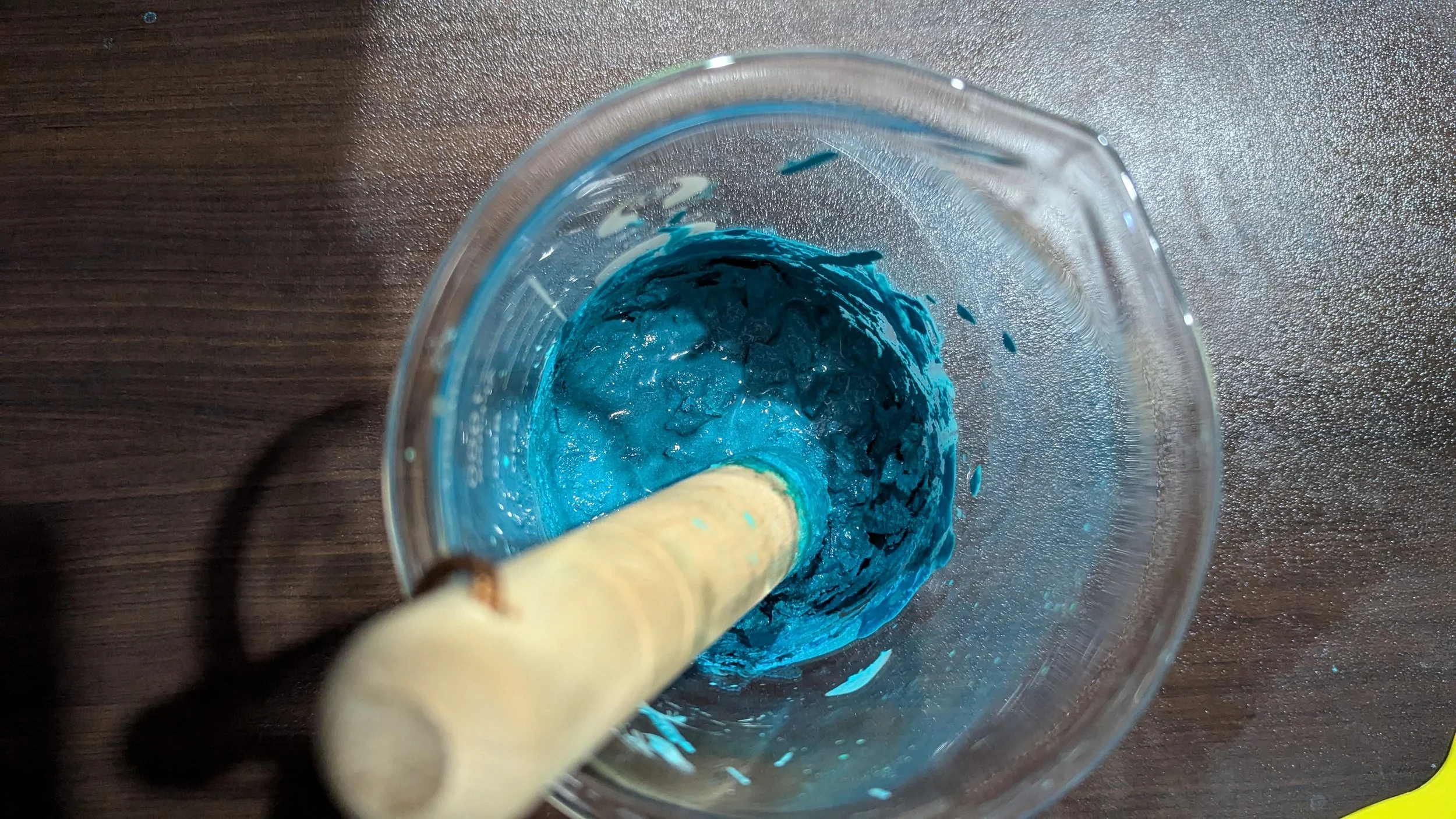
Mix one raṭl sal-ammoniac (nošādor) and half a raṭl of copper pieces in a bowl. Add some very strong grape vinegar. Pound the pieces with the help of a wooden stick shaped like a camel’s hoof. Continue the process until all the copper pieces have turned into green zangār.
Al-Rāzī, Tiflīsī, and Majnūn Rafiqī Haravī document closely related but non-identical combinations of copper, vinegar, and sal-ammoniac. Al-Rāzī specifies a measured quantity of sal-ammoniac and repeated replenishment of vinegar; Tiflīsī places the sal-ammoniac alternative within a wider group of humid vinegar-corrosion arrangements; Majnūn Rafiqī Haravī specifies strong grape vinegar, a 2:1 ratio of sal-ammoniac to copper, and mechanical working with a distinctive wooden implement. Together they establish the direct documentary basis for this reconstruction category.
Historical Note
These recipes document closely related but non-identical methods in which sal-ammoniac (nūshādar) is added to a copper-and-vinegar system. Differences in proportions, vinegar strength, humidity, duration, and mechanical working indicate that they represent variations within a shared technological approach rather than a single fixed formulation.
Comparative Analysis of the Historical Recipes
Al-Rāzī, Tiflīsī, and Majnūn Rafiqī Haravī all describe the use of copper, vinegar, and sal-ammoniac, but their procedures differ substantially in quantities and working methods. Al-Rāzī specifies measured ingredients and repeated addition of vinegar; Tiflīsī situates the sal-ammoniac method within humid vinegar-corrosion procedures; and Majnūn Rafiqī Haravī specifies strong grape vinegar, a particular ratio of sal-ammoniac to copper, and mechanical working. Together, these recipes establish the historical basis for the reconstruction while demonstrating the variability of this technological family.
Experimental Reconstruction
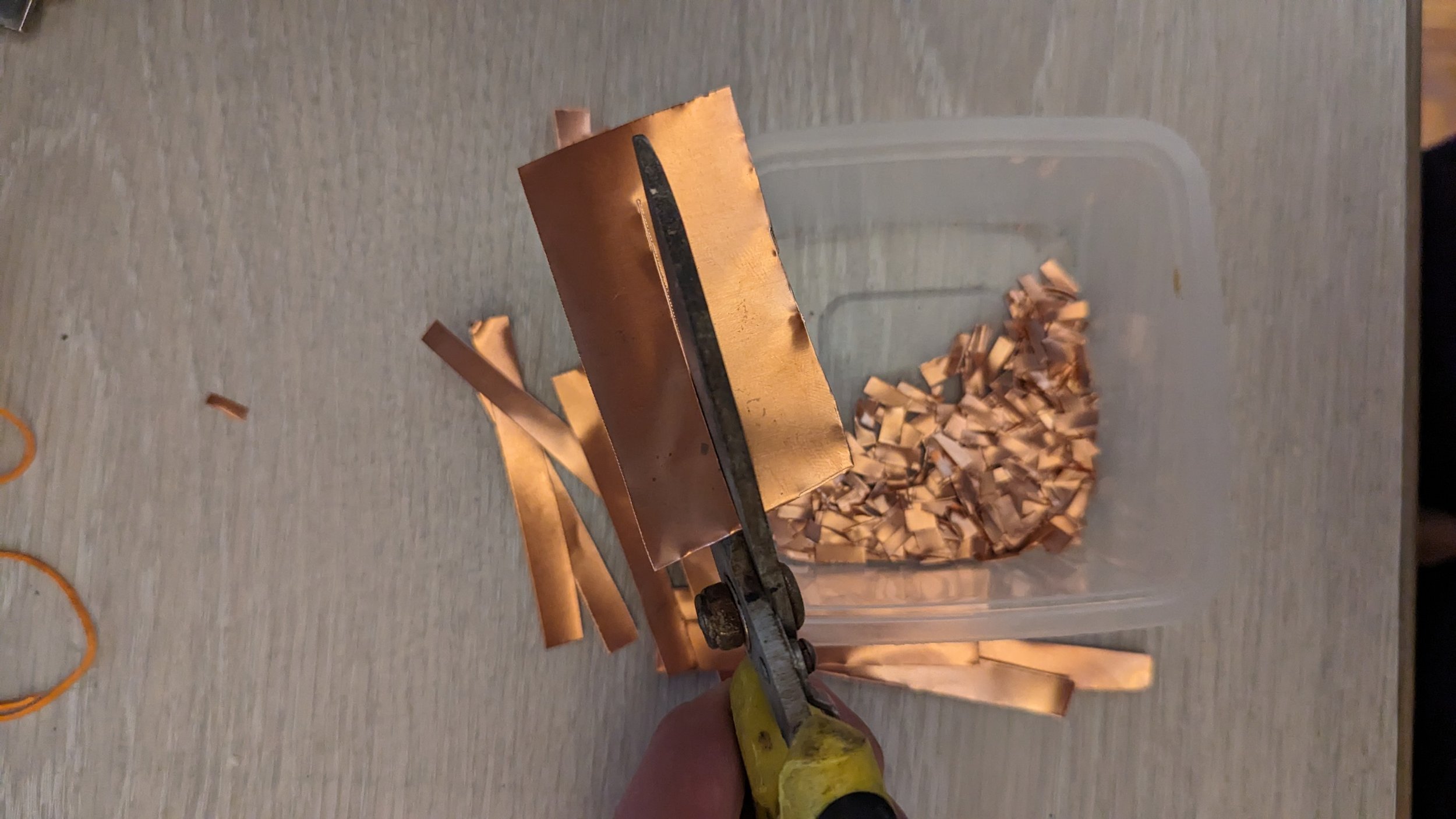
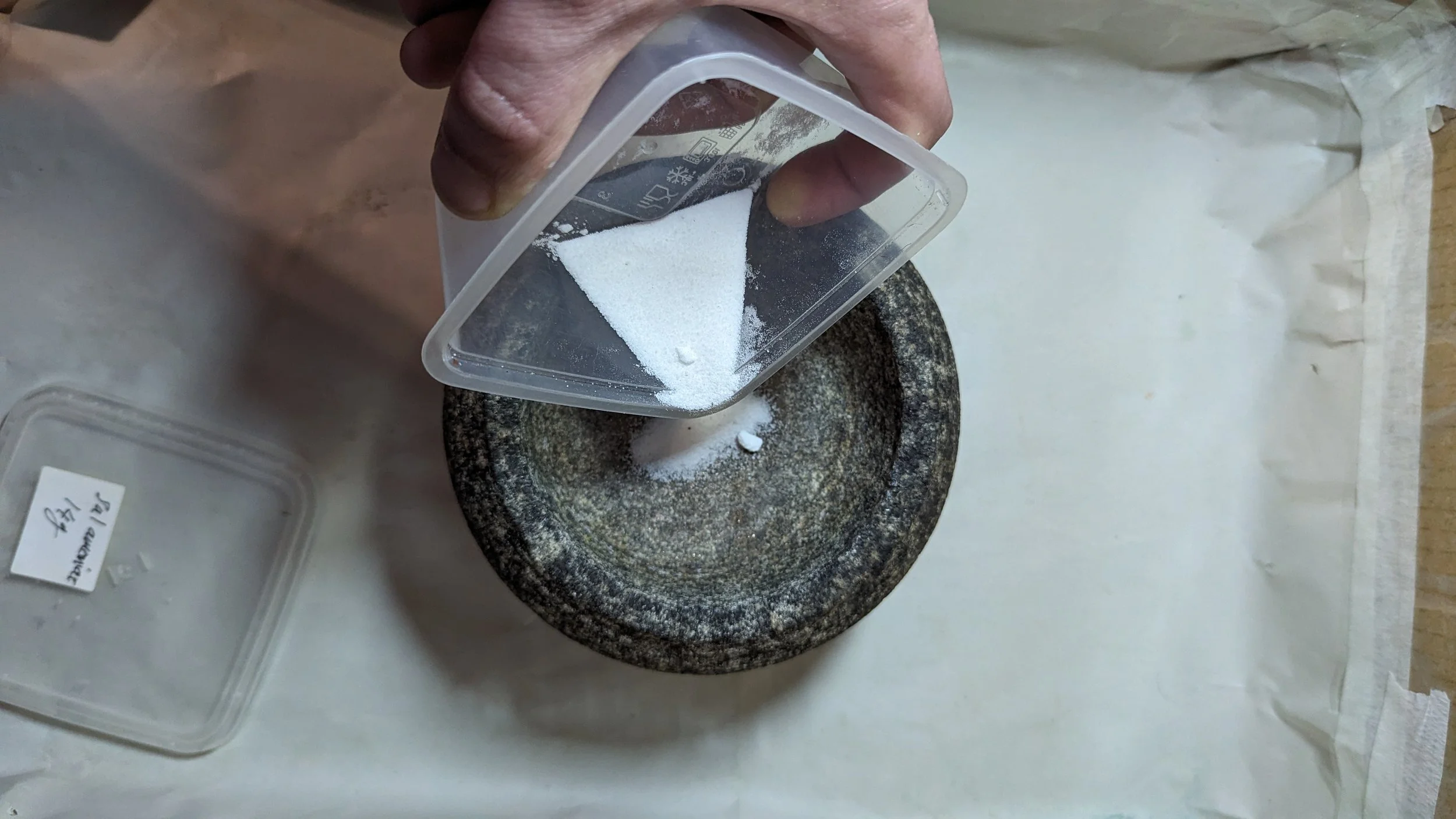
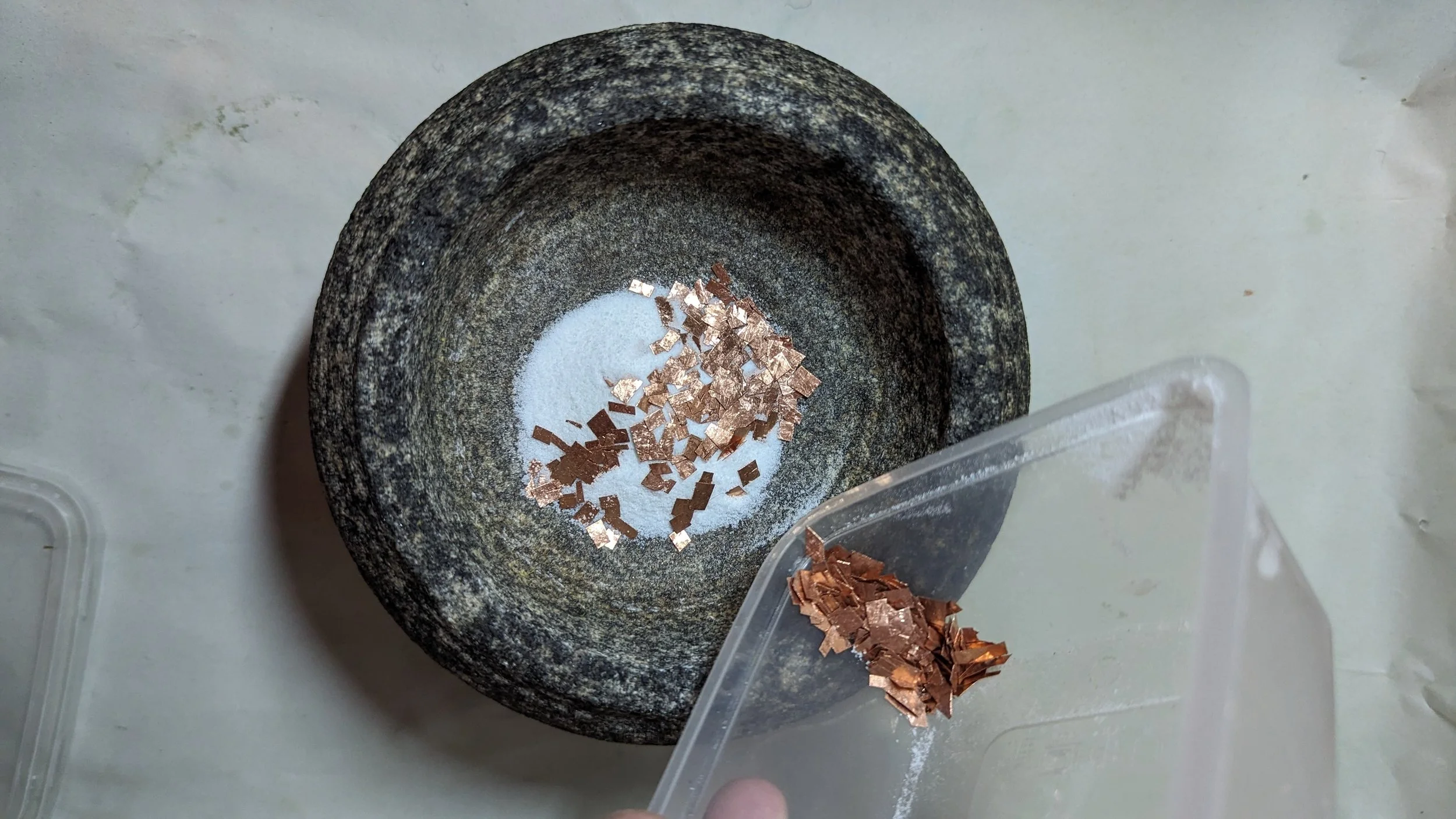
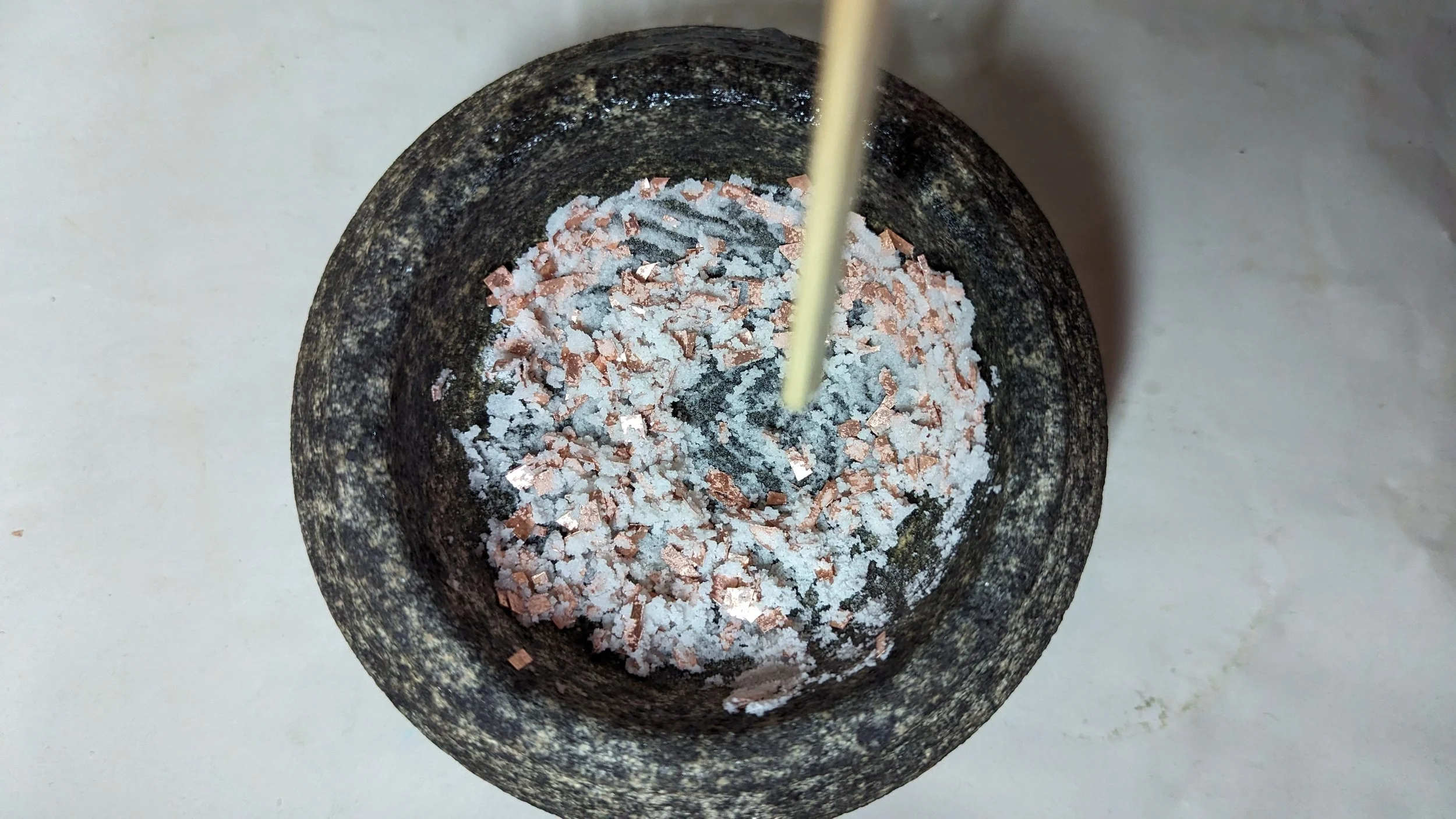
In this project, copper filings were combined with aged grape vinegar and sal-ammoniac to investigate the shared copper–vinegar–sal-ammoniac system documented in the historical sources. The experiment represents this common technological principle rather than an exact replication of any single historical formulation.
Materials
· Copper filings
· Aged grape vinegar
· Sal-ammoniac (nūshādar)
· Glass vessel
· Wooden spatula
· Porcelain mortar and pestle
Method
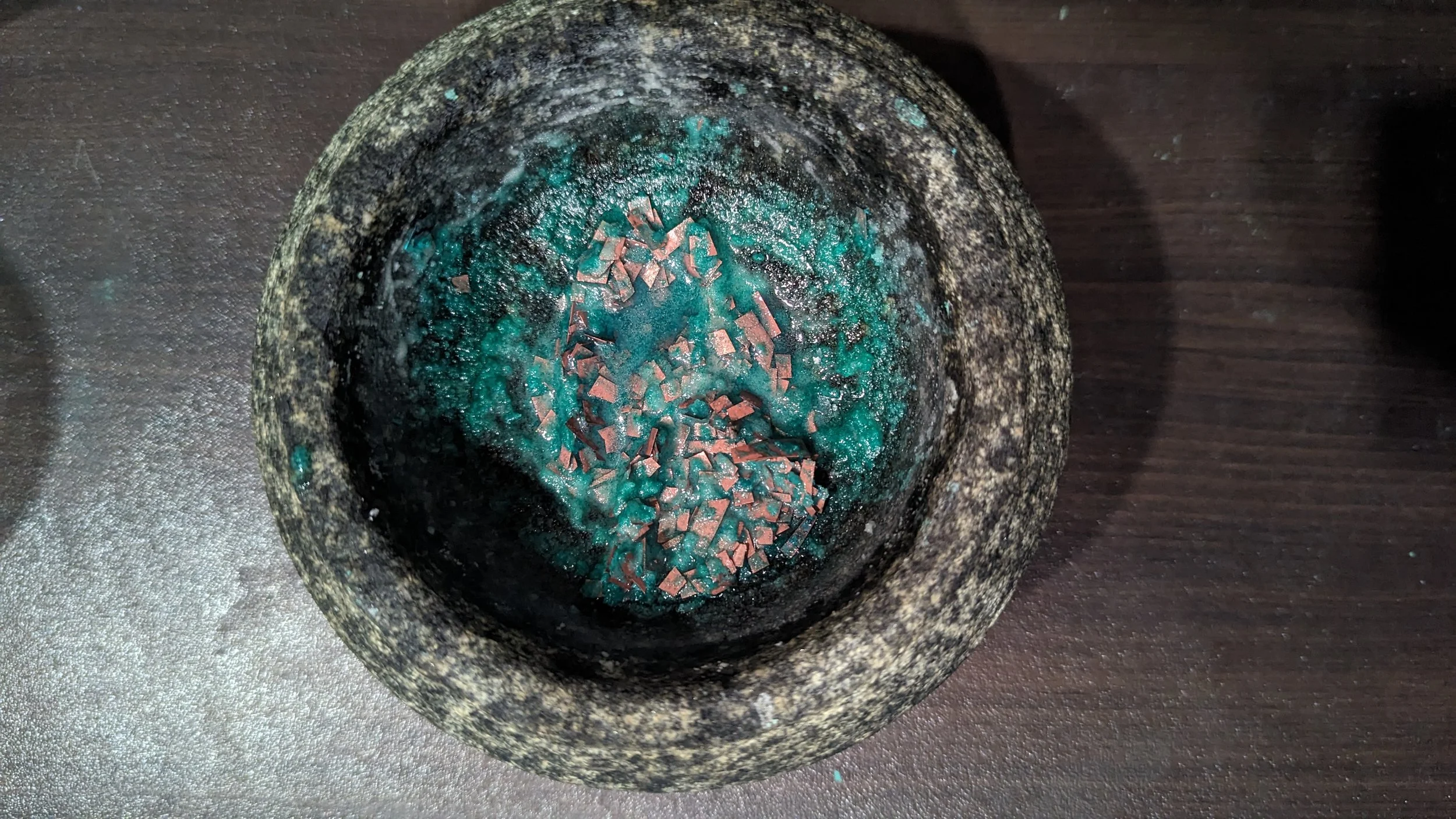
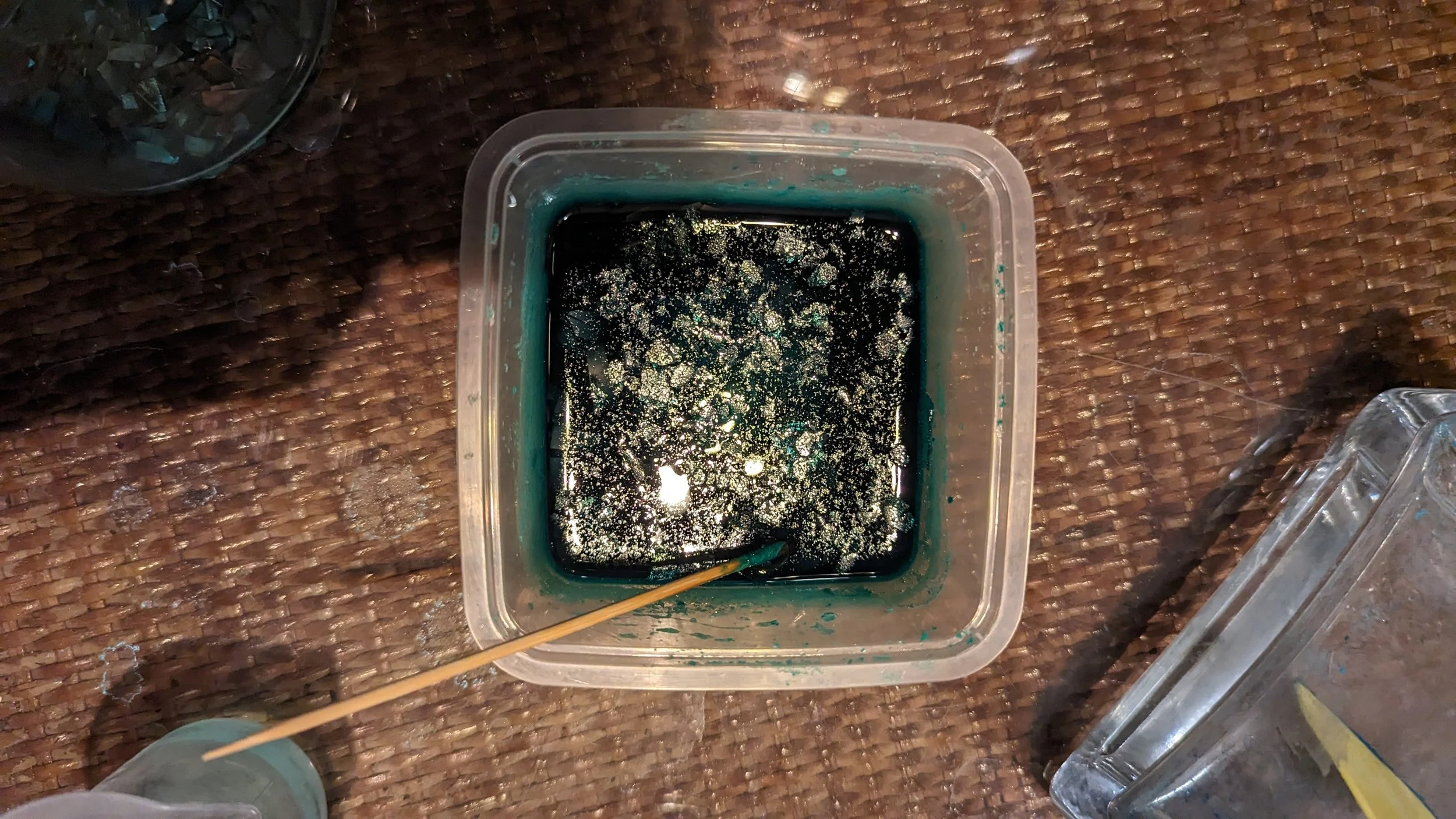
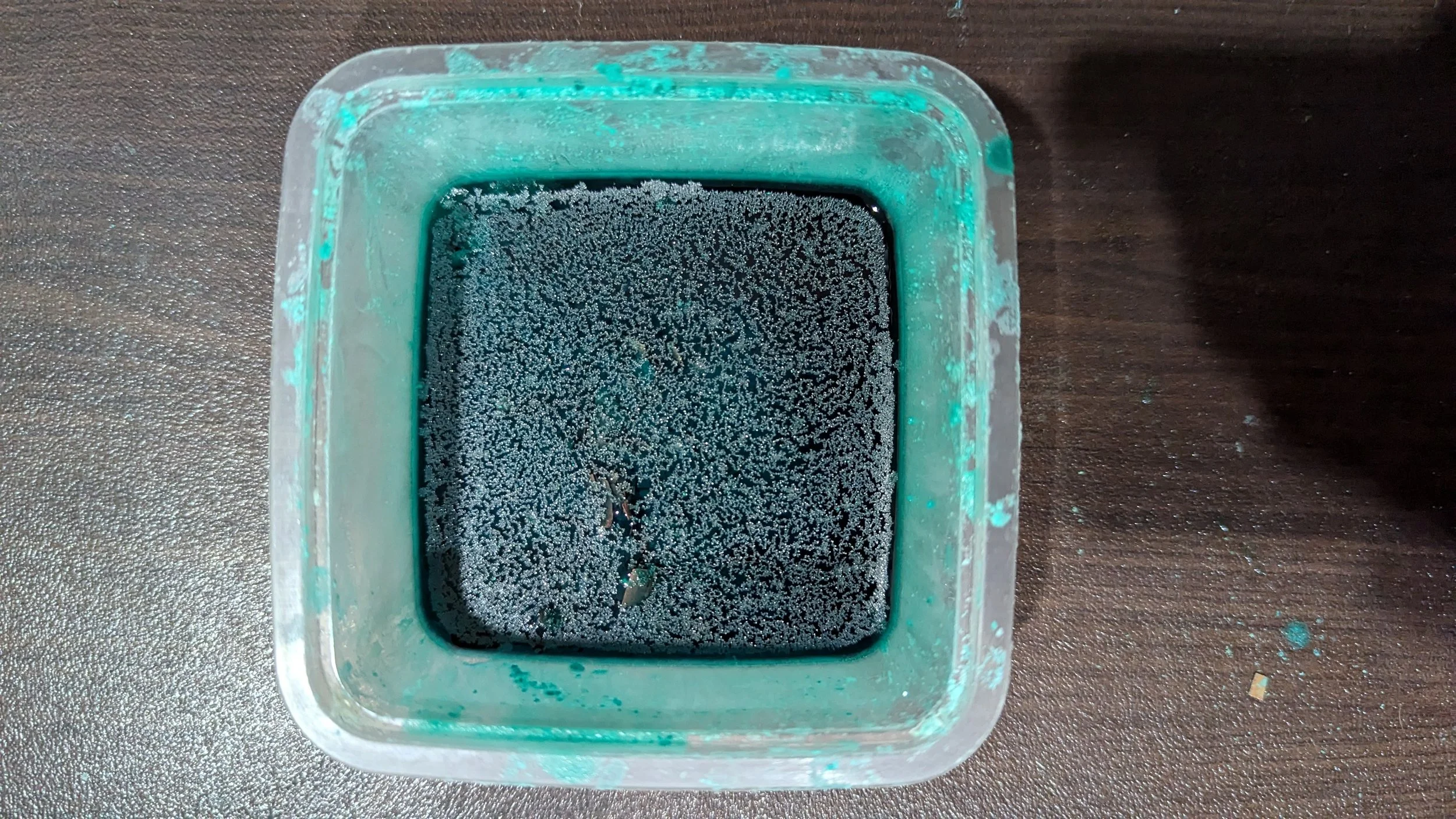
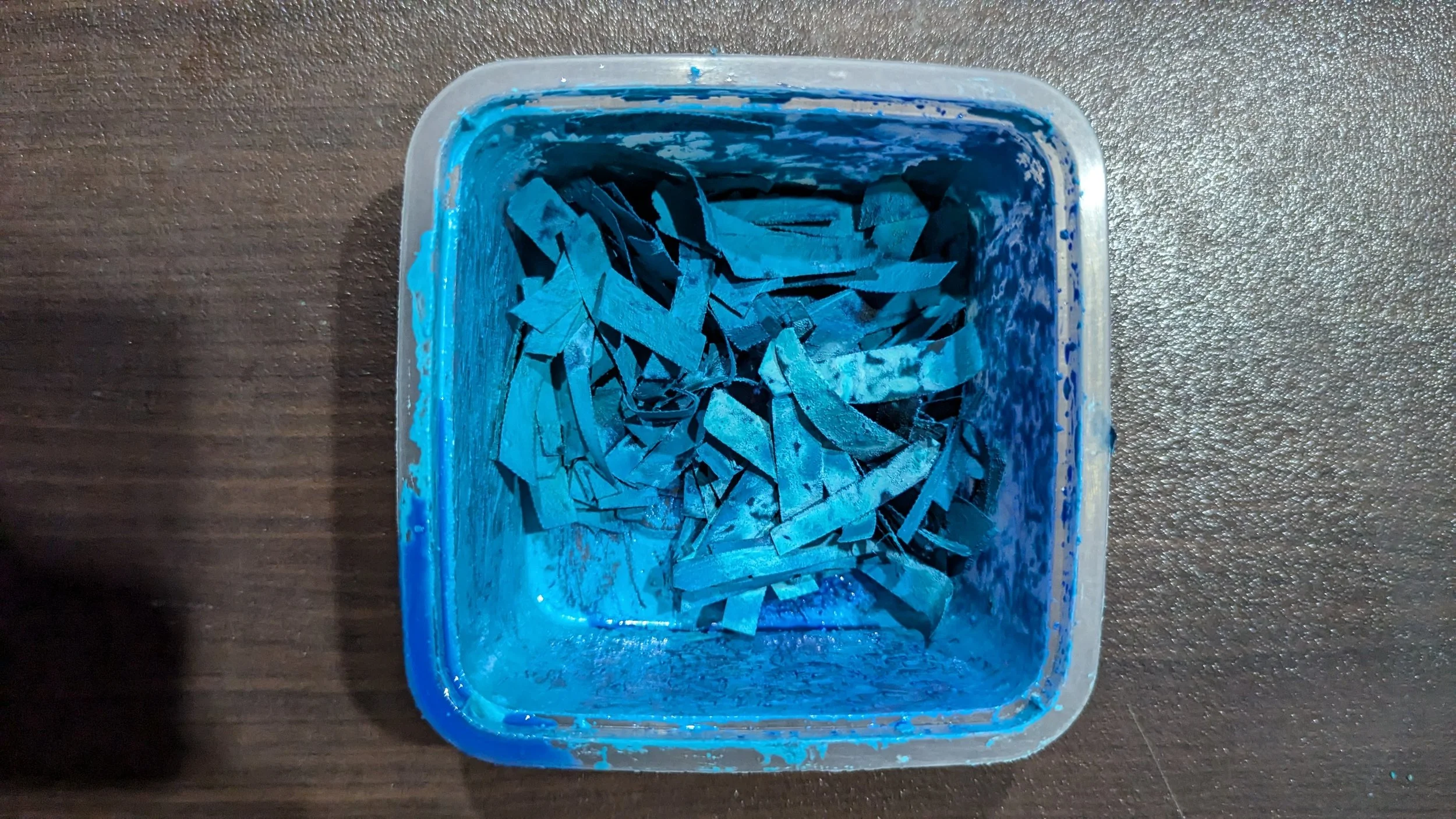
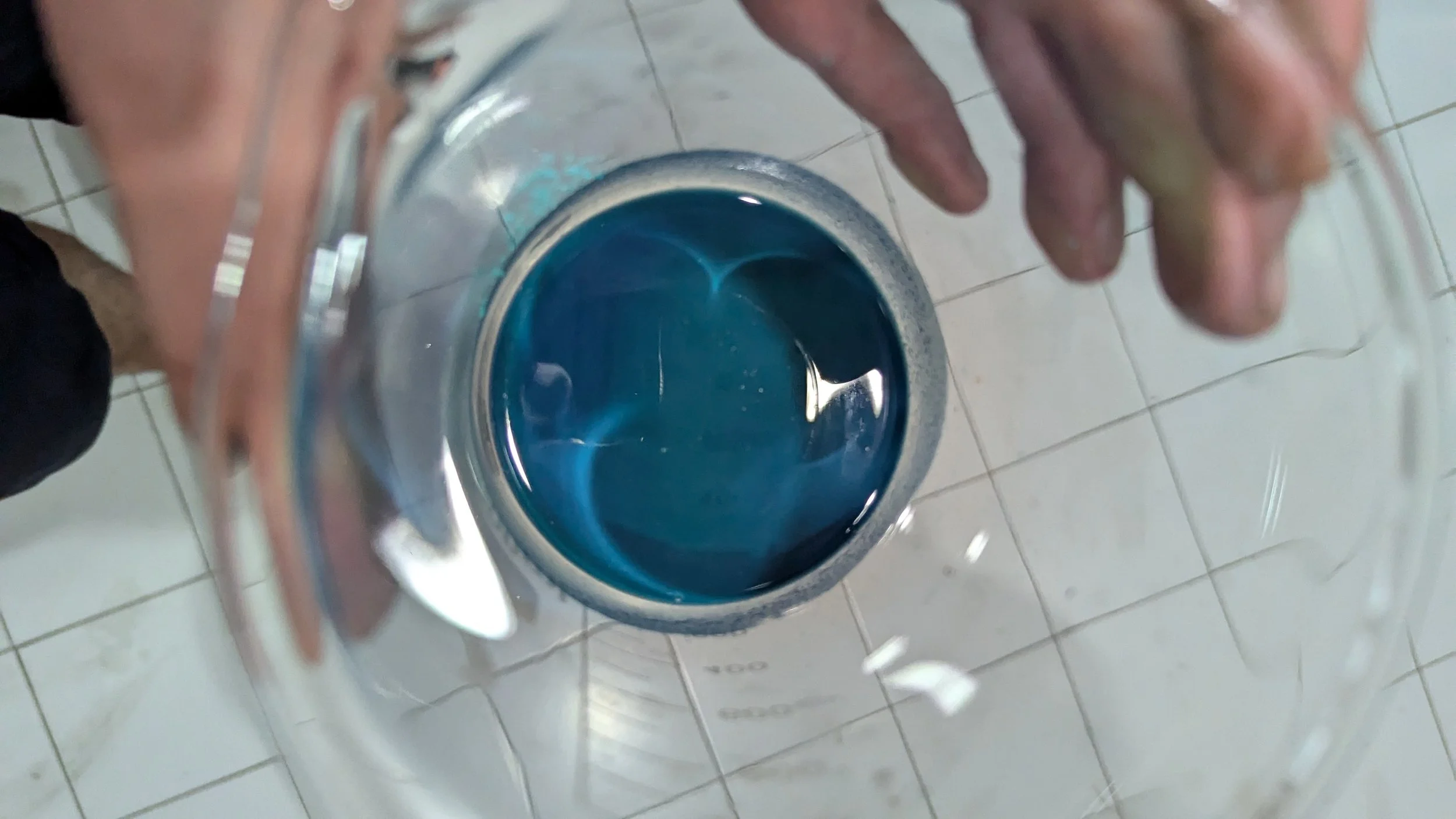
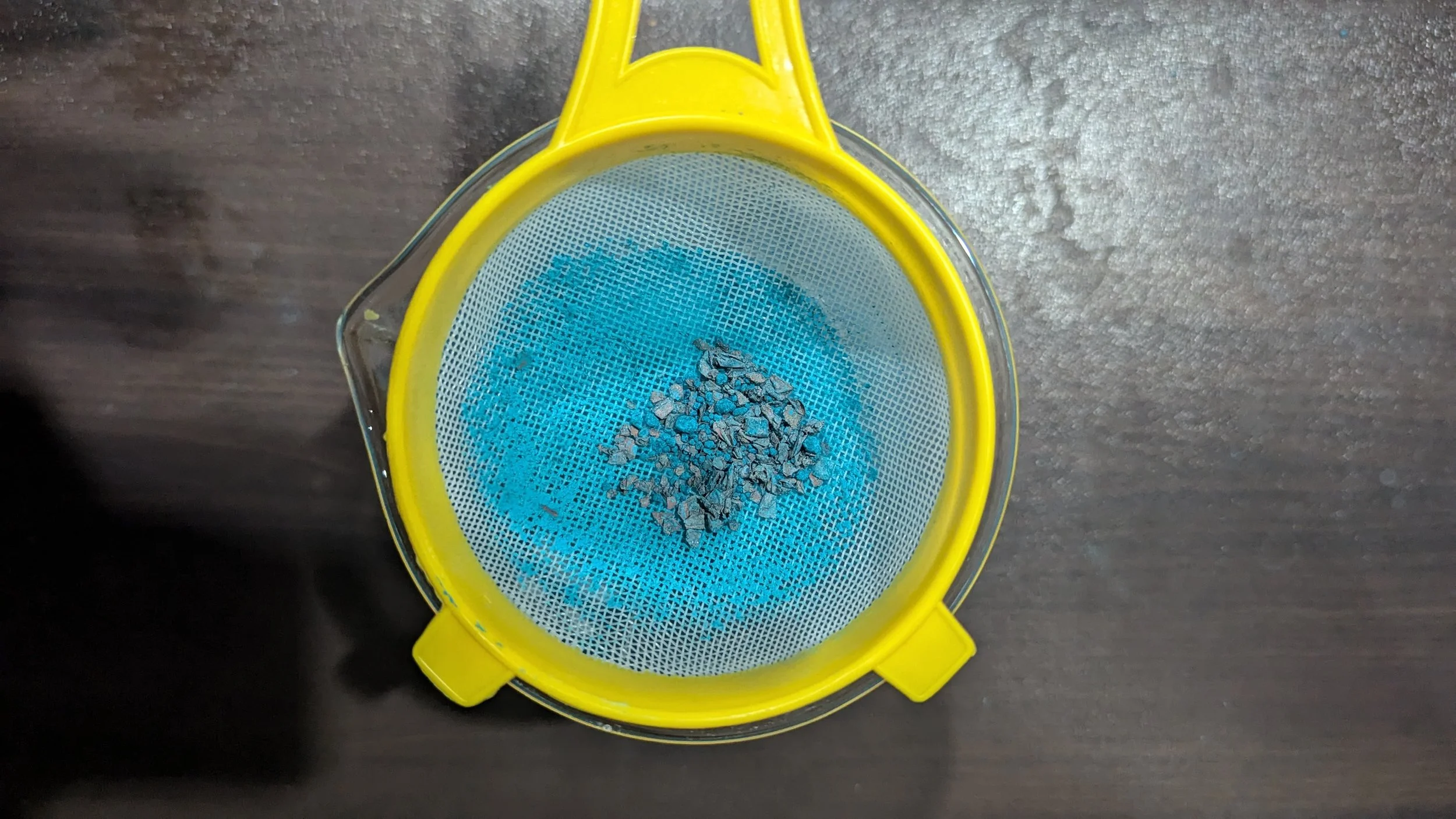
Sal-ammoniac was combined with vinegar and copper filings. The mixture was worked and monitored as green corrosion products developed. The material was then collected, dried, and ground into a homogeneous pigment powder. The reconstruction follows the common copper–vinegar–sal-ammoniac system documented by the principal historical sources while recognising that their exact proportions and working procedures differ.
Results and Observations
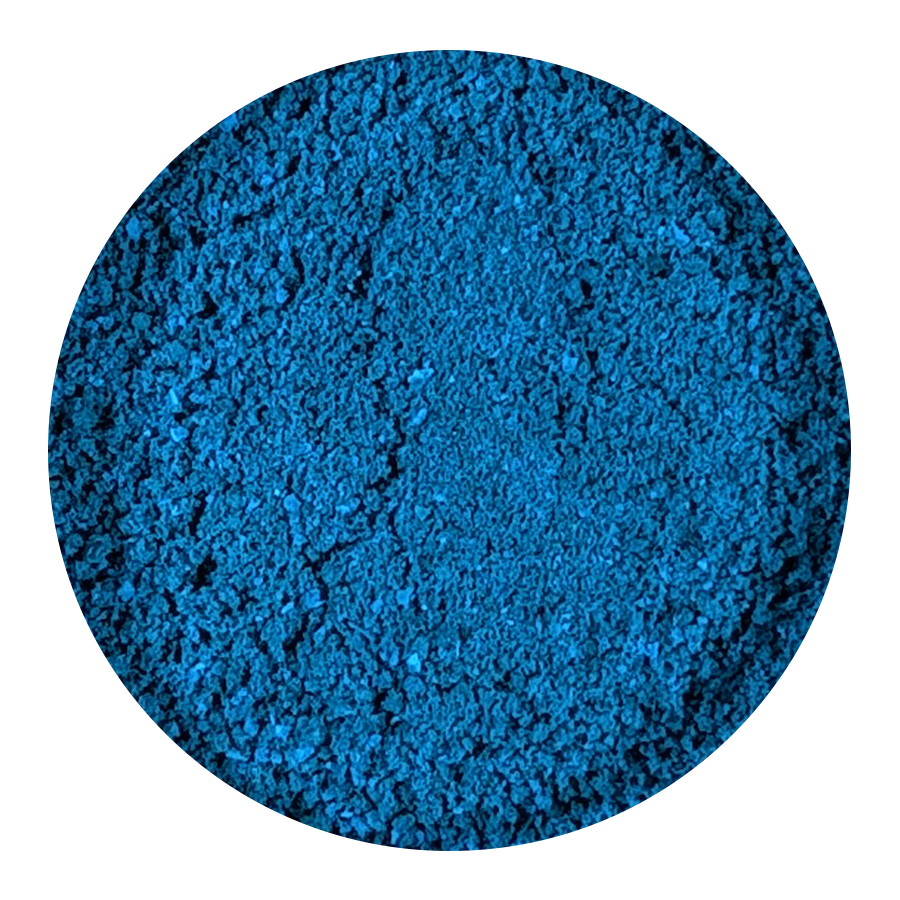
In the reconstruction, the green corrosion product developed more rapidly than in the vinegar-only comparison. The final material showed a rich blue-green appearance and a fine texture after grinding. Differences in sal-ammoniac proportion, vinegar strength, humidity, and working time in the historical recipes should be expected to influence the appearance and morphology of the resulting corrosion products; the reconstruction therefore represents the shared technological system rather than a single fixed historical formulation.
Significance
The vinegar and sal-ammoniac recipes demonstrate how Persian and Arabic technical authors modified vinegar-based copper corrosion through the addition of nūshādar. Reconstructing this system provides a material reference for comparing the principal documentary recipes and related named zangār varieties, while avoiding the assumption that all sal-ammoniac recipes produced an identical pigment.
References
Majnūn Rafiqī Haravī, Solṭān Aḥmad. Savād al-Ḫaṭṭ (930 AH/1523), MS 3522, Tehran University Central Library, dated 1056 AH/1646.
Rāzī, Muḥammad ibn Zakariyyā. Ketāb al-Asrār (251–313 AH/865–925), edited and translated by H. A. Sheybani. Tehran: Tehran University Press, 1992.
Tiflīsī, Ḥubaysh. Bayān al-Ṣenāʿat (12th century). In Farhang-e Irān-Zamīn, edited by I. Afshar, vol. V, 298–457. Tehran: Anjoman-e Asar-e Melli-ye Iran Press, 1956.